Storage Overflow Solutions: How to Keep Your Favorites Without Overstuffing Your Home
If you’ve ever stood in front of a cabinet, clutching your fifteenth favorite coffee mug like, “You can’t make me choose,” then hey, welcome, you’re my people. This is exactly why storage overflow solutions exist, and why they’re a total lifesaver inside your Downsizing 101 journey.
Because here’s the truth: sometimes you genuinely love your stuff. Sometimes you want to keep it.
My Mug Story (Why Overflow Solutions Became My Secret Weapon)
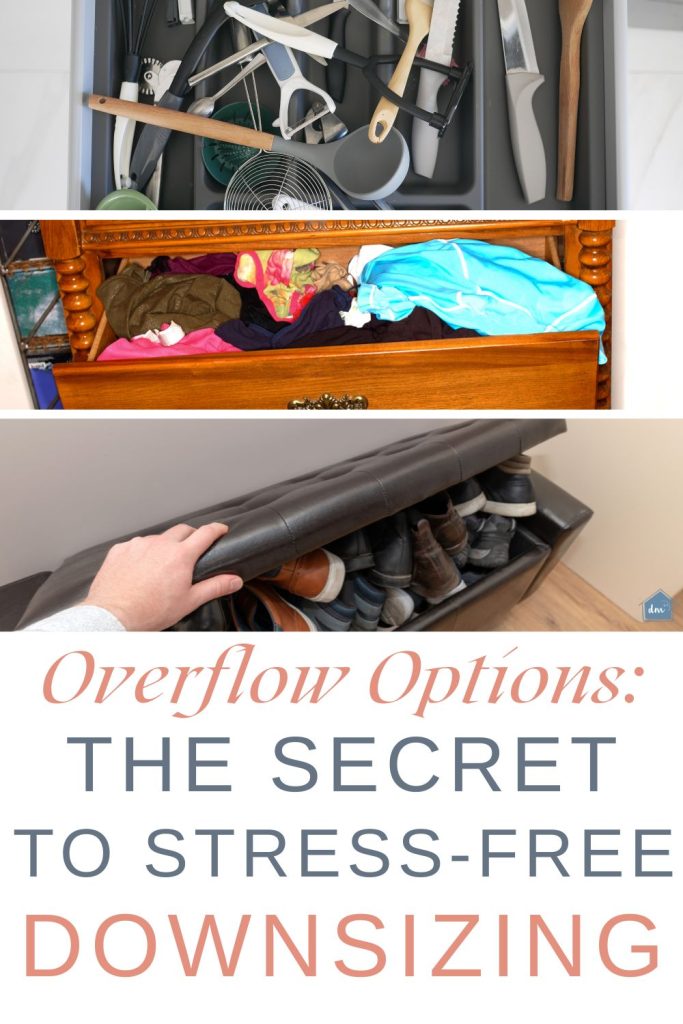
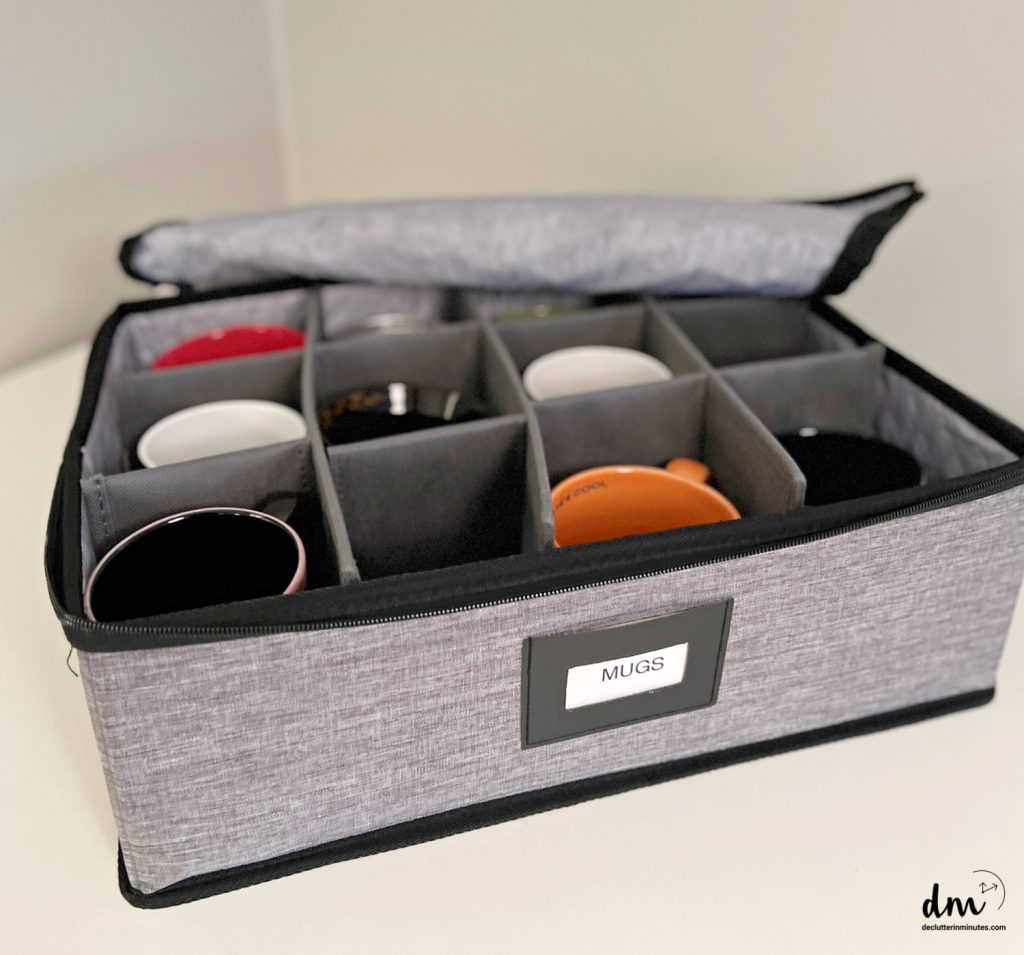
For me, the moment overflow storage clicked wasn’t during some big downsizing project, it was on an ordinary day, standing in my kitchen, looking at a cabinet that could only fit four mugs. The problem? I had way more than four that I genuinely loved. Not in a “maybe I’ll use them someday” way, but in a “these actually make me happy every single morning” way.
Everywhere I looked, I had mugs tucked around the kitchen because I didn’t want to part with them. And according to the usual advice, I was supposed to choose a a few to keep and donate the rest. But that didn’t sit right with me. These weren’t random extras. They were part of my routine, my seasons, my memories.
So instead of forcing myself into a decision that didn’t line up with how I actually lived, I found a simple solution: a mug storage zipper bag that holds 12 mugs safely. That one tool changed everything. Suddenly I wasn’t fighting my cabinet anymore. I could keep the four that fit, store the others away, and rotate them whenever I wanted.
No guilt. No clutter. No pressure to let go before I was ready.
That’s when I realized overflow storage isn’t about avoiding downsizing, it’s about giving yourself options while you create a home that works for you. It keeps your space functional and organized while giving you options when you want to keep the things you love.
And honestly, it makes the whole downsizing process feel kinder, practical, and a lot more doable.
Why Overflow Options Matter (and Why You’re Completely Allowed to Use Them)
A lot of people think downsizing means following rigid, one-size-fits-all rules, like there’s some universal checklist of what every “organized” person is supposed to own.
And yes, numbers matter. What fits in a space matters. That part is real. But here’s where people get stuck: they treat those numbers like they’re set in stone instead of flexible guides. They think if they have more than ten shirts or their cabinet doesn’t shut smoothly, they’ve somehow failed. But downsizing isn’t that black-and-white, and it definitely isn’t about forcing yourself into someone else’s limits.
Here’s the truth that usually gets left out: You can want a calmer home and still want to keep the things that genuinely matter to you. Those two desires can totally exist together.
That’s exactly why Overflow Options are such a game changer.
They give you a practical way to keep what you love without letting your space get overloaded. Instead of forcing you into a keep-or-donate showdown, they create breathing room. They take the pressure off. They let you move at your own pace.
Overflow Options matter because they:
- Take the pressure off those big forever decisions. If something doesn’t fit today, that doesn’t mean it has to leave your life forever.
- Get the extra stuff off your counters and tables without making you give up things you genuinely enjoy.
- Make your home feel intentional instead of jam-packed, like you actually chose what’s out instead of just… letting it pile up.
- Turn downsizing into something flexible and personal, not some punishment you have to struggle through.
- Show you what you actually use and love simply by watching what you go back to and what you forget about.
For so many people, this is the missing piece. Overflow Options don’t replace downsizing, they support it. They help you build a home that reflects the season you’re in, your style, your hobbies, and the things that bring joy to your everyday life.
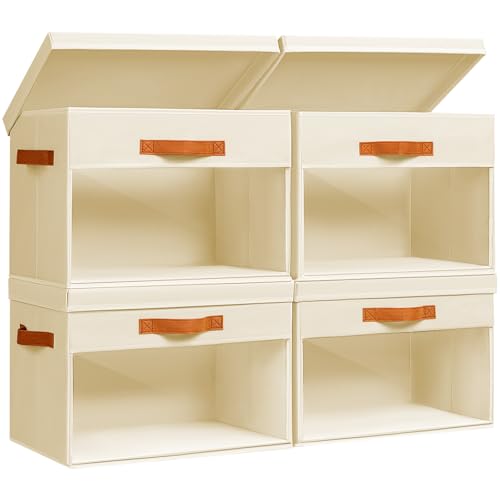
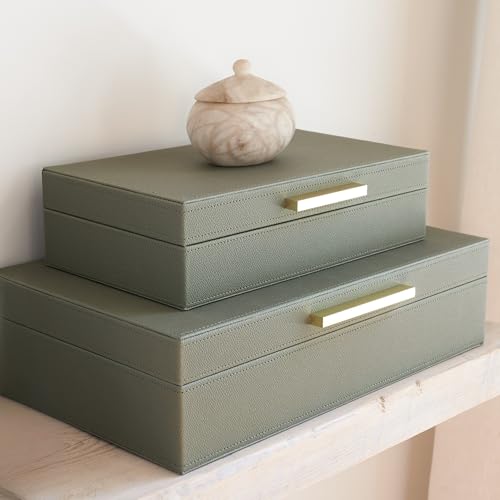
storasier 2-Layer Mug Storage Organizer,Quilted Cup Box,China Storage Containers for 24 Tea Cups or Coffee Mugs with Clear Hard Lid,Stackable Tea Storage for Moving(Grey) Under Bed Storage Containers With Wheels 54L Large Underbed Shoes Blankets Clothes Toy Storage Drawers For College Dorms Bedrooms Nursery Rooms Organization… (Black 2 Pack, XXL(36Homsorout Large Storage Bins with Lids – 4 Pack Foldable Decorative Organizers with Clear Windows & Handles, Cube Storage Organizers for Clothes, Blankets, Sweaters, Sheets, BeigeSpaceAid China Storage Containers 6 Pack, Stackable Hard Shell Quilted Cases with Soft Plate Separators, Moving Supplies Packing Boxes for Dishes, Plates, Platters, Mugs, Cups (Grey)ZICOTO Decorative Storage Boxes with Lids – Set of 2 Beautiful PU Leather Organizer Bins for Your Bookshelf Home Decor – Safely Store Photos, Documents and Memory Box Keepsakes in StylePhoto Storage Box 5 x 7 Inches, 18 Inner Extra Large Photo Boxes with Dividers, Clear Acid-Free Photo Storage Containers with Handle, Photo Organizer Craft Keeper for Photo,Craft,Stamp,Sticker,Seed




How to Know If It’s Real Overflow… or a Sneaky Clutter Crutch
Overflow Options can be amazing, even life-changing, but there’s an important distinction. They should support your home, not become a hiding spot for everything you don’t want to deal with. The good news is, it’s actually pretty easy to tell the difference when you know what to look for.
Let’s break it down with some real-life examples so you can see the difference between smart storage and a clutter crutch.
1. Ask yourself, Do I actually enjoy this item?
Overflow items should still bring value, even if they’re not used every day. If you genuinely enjoy something, whether it’s a seasonal favorite, a duplicate you love, or a special item you rotate back in, it makes sense to keep it as part of your overflow. That feeling is your signal to find a smart way to store it.
But if you keep passing over the same items again and again, never using or even thinking about them, it’s time to reconsider. Overflow should support your lifestyle, not crowd it. Letting go of what you no longer need or use helps you make space for the things that do.
Overflow Example: You rotate your favorite seasonal mugs every few months and smile every time you pull one out.
Crutch Example: You keep a stack of chipped mugs just in case, even though you never reach for them making your cabinet feel overstuffed and chaotic. Instead, keep the overflow in a storage container and every month swap out a few to keep your collection. fresh and fun.
2. Does it fit the season of life you’re in?
Overflow storage works best for items you use in cycles, think holiday decor, hobby supplies, seasonal shoes. If it has a clear purpose and timing, it belongs in overflow.
But if you’re holding onto things from a past phase, items you haven’t used in years and likely won’t again, it may be time to let them go. Overflow should reflect your current life, not the one you used to live.
Overflow Example: You store holiday decorations that you love and use every single year. They match your style, have meaning, and bring up lovely memories when you see and touch them.
Crutch Example: You’re holding onto ten boxes of old baby toys even though your kids are now full-blown teenagers. Instead, keep a small container of your child’s memories that you can pass on to them when they are older.
3. Do you have a clear rotation plan?
For overflow to truly work, there needs to be a system. Items should come out when needed and go back in when they’re not. That regular rotation is what keeps overflow from turning into chaos.
If things are going into storage and never coming back out, or worse, getting forgotten entirely, that’s not overflow. That’s clutter. A lack of routine leads to piles that grow quietly over time, so it’s important to stay intentional about what goes where and when.
Overflow Example: You have fun dishes for the holiday’s that you have in storage containers that are clearly labeled so you can easily find them every year when you need them.
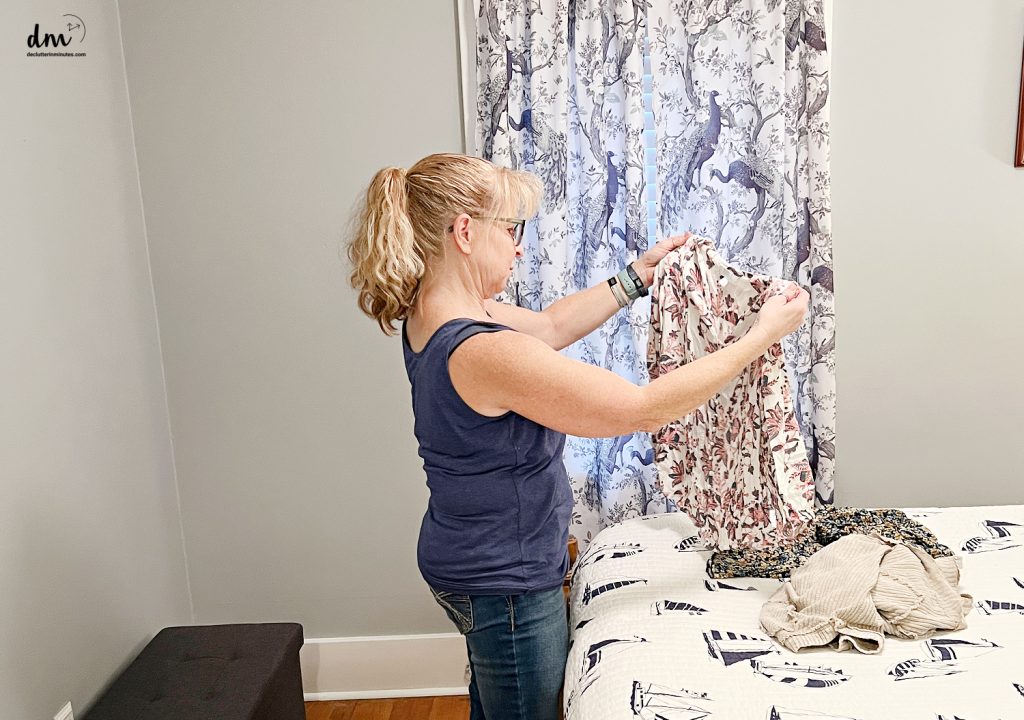
Crutch Example: Maybe you’ve been tossing extra clothes into a random bin or box on a closet shelf, out of sight, out of mind. Eventually, it becomes a mystery container that you only open when you forget what’s in it (again).
Instead of letting it sit untouched, set a goal to sort through it. Keep only the pieces you genuinely enjoy wearing, the ones that feel good on your skin, fit well, and make you feel confident. The rest? It’s okay to let those go. Overflow should be intentional, not accidental.
4. Does the overflow space feel manageable or overwhelming?
A well-organized overflow area should feel like an extension of your home’s main storage, not a dumping ground. If you have a space with clearly labeled bins for holiday decorations and seasonal containers for coats, boots, or sports gear, you’re using your overflow space efficiently.
But if your attic, basement, or garage is packed with random bags, unlabeled totes, and dusty furniture, it’s probably become more of a burden than a backup. That kind of clutter makes it hard to find what you need and adds stress every time you open the door.
Overflow Example: Your storage shelf has a few neat containers, each is clearly labeled and the items still play a role in your life today.
Crutch Example: Let’s say you’ve got a guest room closet that’s become the storage catch all. You keep adding things you might need someday, but never actually do. Over time, that space becomes a black hole you avoid because opening the door might mean dodging falling boxes.
Set aside a small block of time each week, maybe an hour every Saturday morning, to work through it item by item. Keep only what you truly use or need. Donate or toss the rest. Once it’s clear, that closet could be transformed into something more useful, like a craft supply nook or a fun play space for your grandkids
5. Are you keeping it out of guilt or joy?
Overflow storage should make room for items that bring genuine value or happiness. If you’re holding onto something because it brings joy, serves a purpose, or fits your current life, then it’s a good candidate for overflow.
But if the only reason you’re keeping it is because you feel like you should, maybe it was a gift, or it cost a lot, or it reminds you of a past version of yourself, that’s not helpful storage. That’s emotional clutter. Your space should reflect who you are today, not weigh you down with who you used to be.
Overflow Example: You store a favorite serving dish you use for family gatherings because it brings back happy memories.
Crutch Example: You’re holding onto your aunt’s casserole dish, even though you don’t like casseroles and haven’t used it once. It’s not there because it’s useful; it’s there because you feel guilty getting rid of it.
If something is just sitting there and taking up space for no reason, it doesn’t belong in your overflow space. Sentimental items are meaningful, but they shouldn’t take up room just because you feel bad letting them go. Give yourself permission to release what doesn’t fit your life anymore
Take a quick photo with your phone and text your family to see if anyone wants it. If someone does, pass it on with love. If not, donate it and feel good knowing you’re helping someone else in need
At the end of the day, Overflow Options aren’t a loophole or a cheat, they’re a tool. A really good one.
They let you build a home that fits the real you, not the imaginary version someone on the internet says you should be. And when you use them with intention, they give you space, clarity, and breathing room without forcing you to part with the things that genuinely make your home feel like home.
If anything, this whole Overflow approach is about giving yourself freedom, freedom to move at your own pace, freedom to enjoy the things you love, and freedom to create a space that actually works for your life today.
And if you’re sitting there thinking, “Okay… I love this, but I still don’t know where to start,” don’t stress. I’ve got you.
Take the next step and dive into my guide, what to do after you finish downsizing a room, it walks you through the process in simple, doable steps so you never feel lost or overwhelmed. It’s the perfect companion to help you figure out what stays, what goes, and what gets its very own Overflow Option.
You don’t have to do this alone, and you definitely don’t have to follow a bunch of rules that don’t fit your life. You just need the right tools, and you’re already gathering them.