What to Do After You Finish Downsizing One Room
You’ve finally finished downsizing one room, and it feels amazing. You can breathe again. The space feels lighter, calmer, and more you. But then, a couple of weeks go by. A few things get left out. A random purchase sneaks in. And before you know it, that peaceful, clutter-free room starts to feel a little busy again.
Most people think the hard part is letting go, but the real success comes afterward, when you start building the habits that protect all the progress you just made.
If you’ve been following our Downsizing 101 approach, you already know that less stuff means more peace, but keeping it that way takes intention. The truth is, downsizing one room isn’t an end point. It’s a fresh start, an opportunity to reimagine how you live in your home from this point forward.

When I first started downsizing, I was totally focused on the space right in front of me. I just wanted it to look good, feel lighter, and finally be done. What I didn’t think about was how my everyday habits afterward would affect the rooms I’d already finished.
It didn’t take long to figure it out, though. Changing the stuff was only part of the story, we had to change ourselves too. We had to start thinking like downsized people living in a downsized space. That meant being careful about what came in, using what we kept, and making sure the clutter didn’t start creeping back in.
I always say habits are the spokes in the wheel that keep this process rolling. That was a lesson we learned right away, and honestly, it’s the reason all our hard work didn’t unravel.
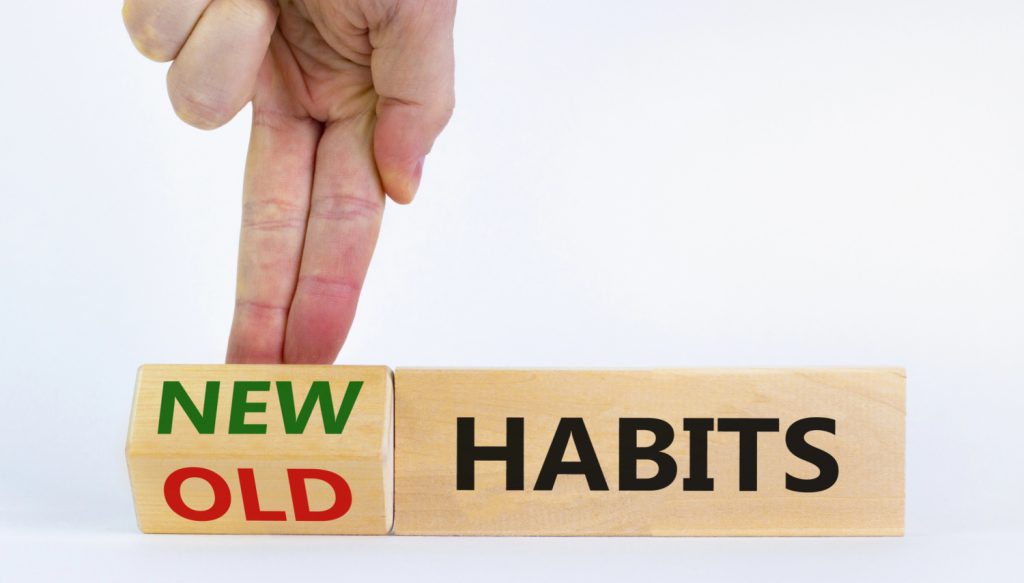
You’re Not Done, You’re Beginning
Downsizing isn’t a one-time event. It’s a new way of seeing your home, your routines, and even yourself. Once you’ve done the work to simplify one room, the next step is learning to live in that simplified space without letting the old habits sneak back in.
One thing I teach all the time is a simple formula that helps make this shift crystal clear:
The space you have — minus what you want to keep in that space = the excess that can go.
The space itself becomes the cap. It decides what fits, and that makes every decision easier. Keep the best, donate the rest. When you use your space as the boundary instead of trying to make everything fit, you naturally start living within your limits, and that’s where the peace comes in.
The real magic happens when you start viewing your downsized home as enough. When every drawer closes easily, every shelf has breathing room, and every item has a purpose, you begin to experience what I call intentional living.
But here’s the catch: maintaining that feeling doesn’t happen automatically. It’s not about being perfectly tidy all the time, it’s about creating small, consistent habits that keep the progress going. Think of it as a habit loop, not a task list. The goal isn’t to keep decluttering forever; it’s to build routines that make clutter less likely to return in the first place.
And this isn’t just about theory, it’s real. Studies show that clutter often creeps back in without daily habit changes. That’s why your mindset matters so much. When you think like a downsized person, intentional, aware, and content with enough, everything else starts to fall into place.
See the Room in a New Way
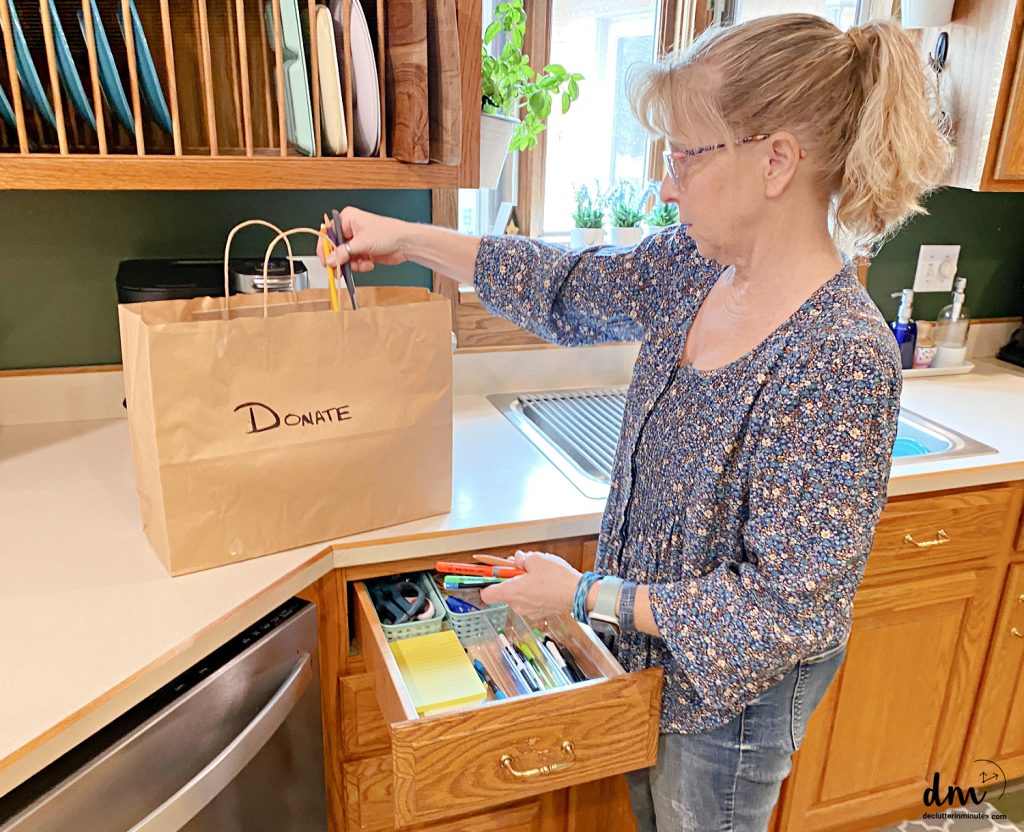
Take a breath and really look around. The hard part’s done, the piles are gone, the space feels lighter. Now it’s time to look at it with fresh eyes, not at what you got rid of, but at what’s left.
After downsizing, your goal shifts from simply getting rid of stuff to living well with what remains. It’s about understanding what truly fits, in both your space and your lifestyle.
New to all this? Here’s a simple breakdown of what is downsizing and how it can be a game-changer!
When you walk into the room, ask yourself two questions:
Does this item fit the life I want to live now?
If not, it’s okay to rethink it. Let go of what no longer fits your current season so you can easily find and enjoy what does.
For example, maybe you once had a large griddle for pancake breakfasts when your kids were little. Now that you’re an empty nester, that same griddle probably takes up more space than it’s worth. Instead, swap it for a small waffle maker you use when the grandkids visit, compact, easy to store, and still connected to sweet family moments.
Does it fit in the space I’ve earmarked for it?
If not, consider relocating it before deciding it has to go. Sometimes it’s not the item that’s the problem, it’s the location.
For instance, maybe your holiday serving platters don’t fit neatly in your kitchen cabinets anymore, but they could be stored in a labeled bin with the rest of your holiday decor. The goal is to make storage make sense for how you live now.
Seeing your space this way helps you honor what’s changed in your life, and it keeps you from slipping back into the “just in case” mindset that causes clutter to reappear.
BlissTotes Moving Bags, 93L 8-Pack Storage Bags, Moving Box Heavy Duty Extra Large, Moving Totes with Zipper, Reinforced Handles & Tag Pocket, Boxes for Packaging Moving 90 L Large Storage Bags, 6 Pack Clothes Storage Bins Foldable Closet Organizers Storage Containers with Reinforced Handle for Clothing, Blanket, Comforters, Bed Sheets, Pillows and Toys (Gray)IRIS USA 13 Qt Stackable Plastic Storage Bins with Lids, 6 Pack – BPA-Free, Made in USA – See-Through Organizing Solution, Latches, Durable Nestable Containers, Secure Pull Handle – Clear


And don’t forget to celebrate the breathing room you’ve created!
You worked hard for that sense of lightness, so take a second to really enjoy it. Notice how much easier it is to find what you need, clean up a space, or just sit and relax without all the visual clutter competing for your attention.
Remember, this isn’t about being perfect, it’s about being aware.
When you start noticing what truly fits your space (and your life) and what doesn’t, you’ll find yourself making better choices without even trying.
Clutter-Free Habits That Keep It That Way
Keeping a room clutter-free isn’t about being perfect, it’s about being intentional. The truth is, your space stays calm because of the small things you do every day, not the big organizing sessions you do once in a while. Once these habits become second nature, you’ll wonder how you ever lived without them.
Here are a few of my favorites that make a big difference:
1. Never leave a room empty-handed.
This one’s simple but powerful. Any time you walk out of a room, grab one thing that doesn’t belong and take it where it should go. It doesn’t have to be a major cleanup, just one little thing. Over time, those small moments keep your space from ever reaching the “how did it get like this again?” stage.
2. Put things all the way away.
You know that “I’ll just set this here for now” moment? That’s clutter’s favorite invitation. Take the extra 30 seconds to finish the task and put it all the way away. It’s one of those small wins that keeps your home feeling calm and finished, not halfway done.
3. Be intentional with what stays.
Even after you’ve downsized, it’s normal for things to shift. Check in with your space every so often, maybe once a month. If something hasn’t been used or appreciated in a while, that’s your cue to reevaluate.
Here’s the thing: our lives change, and our stuff should too. It’s more than okay to let things go, it’s part of staying aligned with the life you’re living today.
4. Think containment, not expansion.
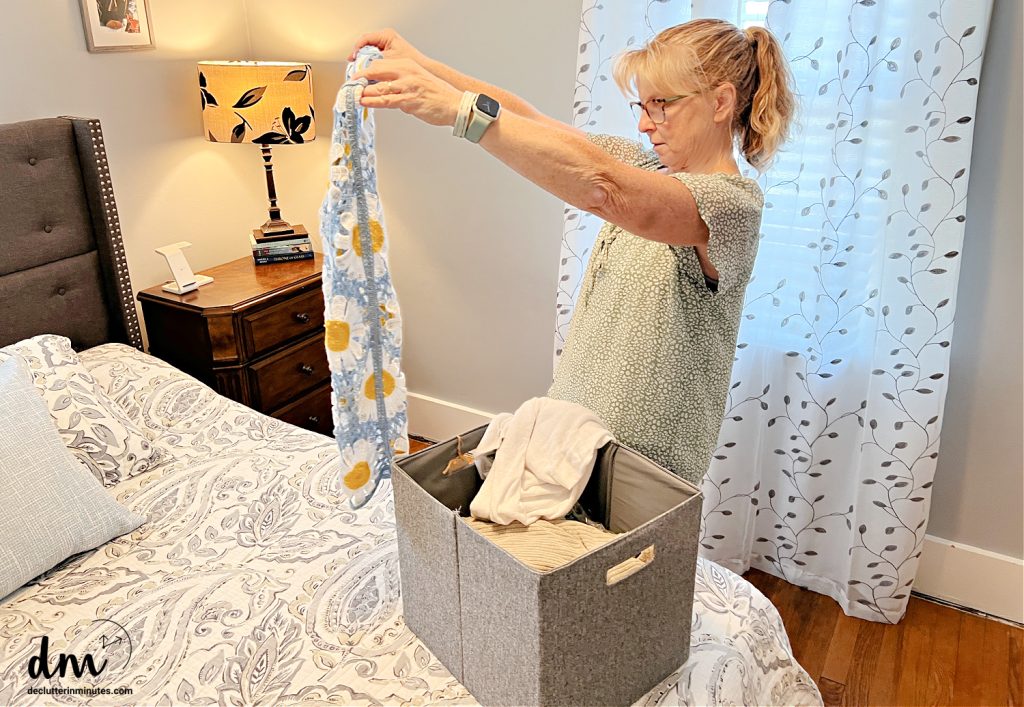
Your space sets the limit, and that’s a good thing! If a drawer, bin, or shelf starts overflowing, that’s your sign to edit, not add. I love the “one in, one out” rule: if something new comes in, something old has to go.
Old-fashioned habits that never go out of style:
- Do a quick reset before bedtime, especially in the kitchen.
- Keep your surfaces clear so your space can breathe.
- Touch things once, if you pick it up, put it where it belongs.
These simple habits might not seem like much, but they’re the secret to keeping your downsized space feeling easy and calm. The goal isn’t to chase perfection, it’s to create rhythms that make staying organized feel natural.
Stay One Step Ahead of the Clutter
Even with the best intentions, clutter has a sneaky way of trying to creep back in. It doesn’t happen all at once, it’s little by little. A free sample here, a “too good to pass up” sale there, or a well-meaning family member passing along things they don’t need anymore. Before you know it, that calm, open space starts feeling a little crowded again.
The key is to notice it early.
Start by paying attention to what I like to call your clutter hot spots. These are the areas where things tend to land, the entryway table, kitchen counter, or that one chair that somehow collects jackets, mail, and bags. Those spots tell you exactly where your habits are slipping.
Do quick mini check-ins:
- Five-minute resets once a week – just tidy the spots that attract the most stuff.
- One-drawer audits once a month – open one drawer or cabinet and clear out what you no longer need.
These small resets keep clutter from ever getting a foothold again.
A Room That Stays Right
You’ve done the hard part, you finished downsizing one room and gave it a fresh start. Now, keeping it that way isn’t about rules or routines you have to force yourself to follow. It’s about awareness.
When you notice what fits your space and your life, you naturally start making choices that protect your peace. Those little habits you’ve built, the quick resets, the “put it all the way away” moments, the mindful yes or no when something new comes in, they’re what keep your home feeling calm and clutter-free.
Remember, the goal isn’t to have a perfect house. It’s to live comfortably in a space that supports you, not one that constantly demands your energy.
So take a minute to celebrate how far you’ve come. You’ve downsized, simplified, and learned to live lighter, that’s huge.
And if you’re ready to keep the momentum going, grab my free Reset Worksheets. They’ll help you take what you’ve learned here and build simple, clutter-free rhythms that make every room feel just as peaceful as the one you’ve already finished.
Because the truth is, once you get used to living light, you’ll never want to go back.