
What to Do With Your Kids Stuff When They Move Out
If you’ve ever stood in the doorway of your child’s old room, looking around and wondering what to do with kids stuff now that they’ve moved out, you know it’s not as simple as it sounds. The posters, the trophies, the piles of random stuff, they hold years of memories, milestones, and moments that left a mark on everyone in the family.
This is one of those in-between seasons of parenthood, a little nostalgic, a little freeing, and full of possibility.
Think of it as your personal Downsizing 101 moment: a gentle invitation to simplify, make space, and embrace what’s next.
In this guide, we’ll walk through how to handle your kids’ belongings with care and confidence and how to reimagine their space (and your home) for this next chapter.

When my last child moved out, I thought I was ready for the change. After all, I’d already helped his three older brothers leave the nest, I should have had this part down by now, right?
Not quite.
Even though I knew what to expect, I wasn’t prepared for the quiet, the kind of silence that seems to echo through every hallway. After years of raising four busy boys, the house suddenly felt too still. Every room, every closet, every corner seemed to hold a piece of them, their clothes, their projects, and bits from their childhood.
Our home was full of their stuff and their stories, and it was hard to imagine what life would look like without them in it every day.
That’s when I realized, this next phase wasn’t just about organizing or decluttering. It was about honoring a season of life that had shaped us all. I couldn’t just start tossing things into boxes or donation piles. Every item carried a story, and even though my sons had moved on, those memories still lived here.
So before I made any big decisions, I took a deep breath, reached out to each of them, and asked a simple question: What do you want me to do with your stuff?

What to Do With Your Kids Stuff When They Move Out
Once the boxes start calling your name and you’re ready to tackle the piles, it’s easy to want to dive right in. But before you start filling donation bags or storage bins, take a breath. This part works best when you start with something simple, a conversation.
Get Permission Before You Toss Anything
As tempting as it might be to grab a few boxes and start clearing things out, this part works best when you slow down and involve your kids in the process. Even if they’ve been out of the house for months (or years), their things may still hold meaning for them, just as they do for you.
Start by having a simple conversation. A quick text, a FaceTime call, or even sending a few photos of what’s left in their room can go a long way. It’s about asking permission and showing respect for their memories and giving them a say in what happens next.
You might be surprised by how they respond. Some will tell you to just get rid of it, while others might ask you to hang onto a few sentimental items until they can look through them themselves. Either way, the conversation opens a door, one that helps you both honor the past while gently stepping forward.
And the bonus? It removes the guilt. You’re not throwing away their childhood; you’re working together to decide what deserves to stay and what’s ready to go.
2. Know What to Keep and What to Let Go Of
Once you’ve talked with your kids, it’s time to decide what really deserves space in your home, and what can move on. This step can feel overwhelming at first, but it gets easier when you approach it with a simple system and a thoughtful approach.
Think of it as three easy categories:
1. Keep:
The things that hold genuine sentimental value, the keepsakes that make you smile or tell a piece of your family’s story. Maybe it’s a handmade Mother’s Day card, a favorite childhood book, or a trophy that marks a milestone moment. These are the items worth keeping and storing intentionally, not just because they’ve always been there.
JM Set of 3 pcs Transparent 3D Floating Frame Display Holder/Box/Frames for Challenge Coins, AA Medallions, Antique, Jewelry,Gift, White, 2.75 x 2.75 x 0.75 Inches Hodeframe 18*24 Large Black Shadow Box Frame with Removable Shelves,Shadow Boxes Display Cases for Small collectables,Deep Memory Box Display Case Trinket Shelf for Collection,Coins,Miniatures FiguresAcrylic Display Case with Shelves Stackable Collectibles Organizer for Blind Box Mini Figurines Dolls Clear and Shelf Design for Versatile Display Options (10.6×5.5×6.3)


2. Let Go:
These are the things that have simply outlived their season. The clothes that don’t fit, old school supplies, random collectibles, or the piles of piles of school papers. Letting go doesn’t erase the memories; it simply releases the physical clutter that’s taking up space and energy.
Pro Tip: For school papers, artwork, and report cards, try setting up a 12-month memory file using an accordion folder. Label each section by school year and tuck in your favorite pieces. It’s a simple way to honor their milestones without feeling like you have to keep everything. The accordion file sets the cap giving you space to save some without saving it all.
3. Digitize or Repurpose:
For everything in between, take photos or create digital albums. You can even repurpose some items, like turning old team jerseys into a memory quilt or framing a few special drawings instead of keeping boxes full of artwork.
As you sort through what to do with kids stuff, remember: you’re curating, not clearing. You’re deciding what parts of their story (and yours) you want to carry forward into this next chapter, intentionally, lovingly, and without overwhelm.
3. Redefine the Space (and Its Purpose)
Once the clutter clears and the decisions are made, you’re left standing in a room that suddenly feels different. The posters are gone, the bed might be neatly made for the first time in years, and there’s a quiet sense of possibility in the air.
This is your chance to reimagine what this space can become, not to erase what was, but to create something new that reflects the season you’re in now.
Maybe it becomes a guest room where friends and family can stay. Maybe it’s a craft studio, a home office, or even a peaceful reading nook that’s just for you. The goal isn’t to fill it quickly but to design it intentionally.
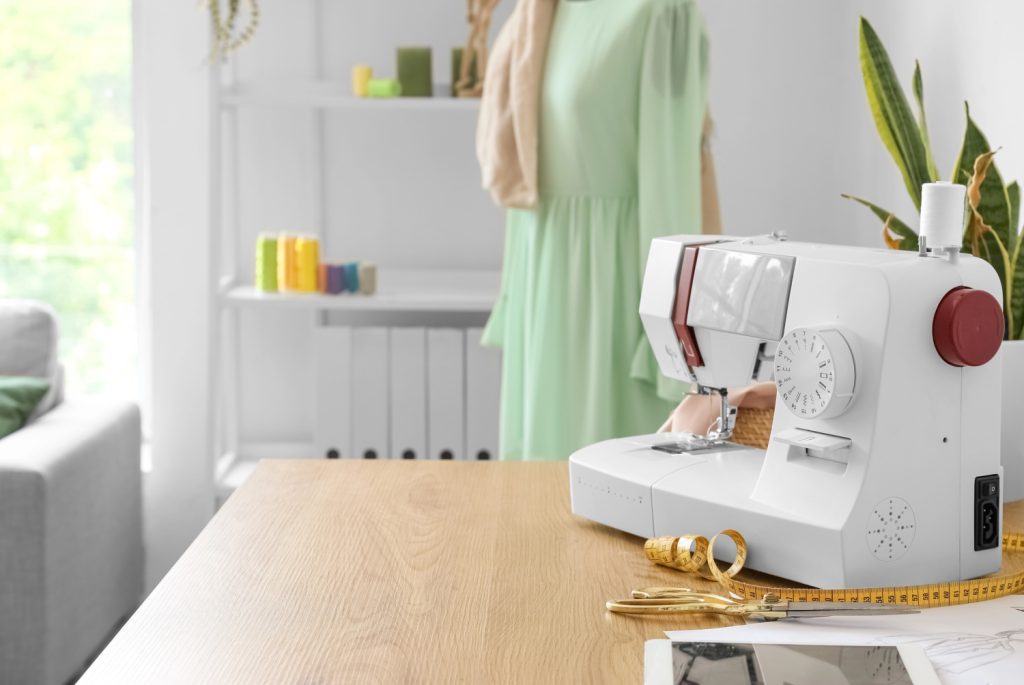
You can even include your child in the transformation. Ask if they’d like a say in how the space evolves, perhaps keeping a few personal touches so it still feels like home when they visit.
Redefining the space is less about replacing and more about renewing. It’s one of the most rewarding parts of this journey, seeing your home shift and grow right alongside you.
4. Expand the Shift to the Rest of the Home
Once you’ve refreshed that first room, something starts to click. You walk by and notice how light it feels, and suddenly, you start seeing your whole home with new eyes.
Maybe it’s the closet that’s been hiding things for years, the basement shelves you’ve been avoiding, or the kitchen drawers full of mystery items. Once you get into the rhythm, that same downsizing approach, keeping what matters, letting go of what doesn’t, starts to feel natural.
You don’t have to do it all at once. Pick one small spot, one drawer, one shelf, and start there. Every little bit of progress adds up, and before long, your home starts feeling calmer and lighter, more like you.
And the funny thing is, as your home opens up, you do too. There’s something about letting go of stuff that helps you make room for what you actually want, whether that’s more time, peace, creativity, or just breathing space.
5. Celebrate the New Chapter
When you finally finish downsizing this room, take a step back and look around. The room feels lighter, the air a little calmer. What once felt overwhelming now feels peaceful, like your home is finally catching up to this new season of life.
And yes, this is a new season. Your home tells a different story now, one that still holds your family’s memories but also makes room for you.

It’s okay to feel a mix of emotions. Letting go of your kids’ stuff doesn’t mean letting go of them. It means creating space for who you’re all becoming, adults, parents, and individuals finding new rhythms in life.
So, celebrate it. Light a candle. Rearrange the furniture. Pour a cup of coffee and sit in that newly repurposed room. Let it remind you that change doesn’t have to be sad, it can be deeply freeing.
And if this process has opened your eyes to what’s possible in the rest of your home, our Downsizing 101 guide is here to help you take the next step. It’s all about simplifying with heart creating space for what matters most, and letting go of the rest with grace.
Because this isn’t the end of a chapter. It’s the start of a beautiful new one.