Why Your Home Feels Overwhelming (Even After You’ve Organized)
If your organized home still feels overwhelming, it can frustrating, especially when you have already put in the effort to declutter and organize. Many women reach a point where they have done everything they were told would work, yet their home still feels messy and chaotic.
The good news is there are solutions. Downsizing 101 looks different from many of the approaches you may have tried before. These tools help you clearly see what no longer fits your space, so you can let it go and know it will stay gone.
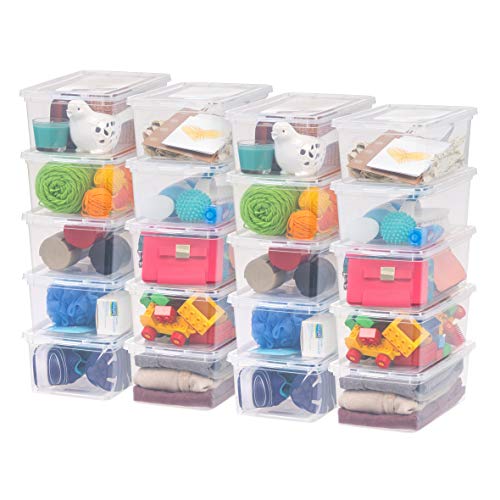
I actually love to organize. There is something about buying a new bin or basket that makes me excited to put it to use. I think it is the promise that a problem area in my home is finally going to feel less cluttered and easier to manage.
But more often than not, I would bring that new organizer home, set it up, and realize the space was still overstuffed. Yes, the bins looked nice, but they did not solve the problem. I had spent the money, and time, and nothing was actually resolved. Eventually, I would walk away, frustrated knowing I would still have to come back and deal with it.
If You’ve Already Organized, Why Does It Still Feel Like Too Much
This is the question that usually comes up after someone has really tried. You look around and see bins and shelves doing their job, and on the surface, things look fine. But living here still feels harder than it should. The items you use every day may be easy to reach, but everything behind them feels packed in and hard to manage.
When that happens, it’s easy to think you missed a step or didn’t do it right. But that’s not what’s going on. Most of the time, the problem isn’t the visible stuff at all. It’s everything tucked behind it, making things feel messy and hard to keep organized.
Why Organizing Keeps Falling Short
Here’s what usually happens next. When a space still feels hard to live in, we try organizing again. A different bin, a new basket, we may even invest in a full system or a better layout. Sure, things works for a time but before long, things become cluttered again.
Here’s the truth about organizing, it only works on what we can see and reach easily. It doesn’t touch everything that’s been sitting behind the scenes for years. The things we keep just in case. The items from earlier seasons of life. The extras that made sense once, but don’t really match how we live now.
So, we keep working on the surface, but the rest stays untouched. And that’s why it never really feels finished.
IRIS USA 20-Pack Storage Bins with Lids, 6 Quart, Shoe Boxes Clear Stackable Containers Organize Shoes Closet Shelves, Classroom Organization Teacher Tools, Game Storage – BPA-Free Plastic 8 Pack Extra Large Moving Bags Heavy Duty Storage Bags with Zipper Handles, BETU Clothes Storage Totes Bins Packing Moving Boxes, Moving Supplies for College Dorm Essentials, Space Saving, BlackSpaceAid Bamboo Drawer Dividers with Inserts and Labels, Kitchen Adjustable Drawer Organizers, Expandable Organization for Home, Office, Dressers, 4 Dividers with 9 Inserts (17


When Our Lives Change, Our Homes Don’t Always Keep Up
Over time, our lives change and shift. Some ways are obvious such as our kids move up and out of the home or we retire from our job. Some are more subtle such as a change in our daily routines or a diet update given to us from a doctor.
But, even as our lives change, we tend to keep all the things from before. Items from past seasons stay right where they are, mixed in with what we actually use now. Nothing is technically wrong, but the space ends up trying to support too many versions of our lives at once.
And when that happens, even an organized home can start to feel like too much.

A Different Way to Look at the Problem
At some point, we have to stop asking how to fit everything in and start asking a different question: does all this stuff this still fit the way we live now? This is called right-sized living and it can completely change how you view your home.
Right-sized living isn’t about getting rid of things just to have less. It’s also not about forcing everything into the space we have. It’s about letting our life set the limits and helping us see what we actually need and use. This approach is practical and makes it easier to take some of the emotion out of our decisions.
When we look at our space with a more practical lens, choices get easier. If something fits how we live today, it stays. If it doesn’t, it’s excess and it can go. It’s as simple as that and once we see that clearly, letting go starts to feel more manageable.
You Didn’t Fail-The Approach Did
If your home feels like too much right now, it’s easy to blame yourself. You might feel like you waited too long, made the wrong choices, or should have figured this out years ago.
But the truth is, you didn’t fail. The approach did. For years, we’ve been taught to focus on removing what we no longer love. And yes, that question can work for a while. But as we get older, we tend to love most of what we own, and that’s where things start to break down.
When you shift the focus to how you’re living right now, everything gets clearer. You choose the things you use and that fit your life today, and what doesn’t fit becomes easier to let go of.
No emotion. Just practicality. A much easier way to sort things out.
Once you see that, the pressure eases. You can slow down, look at your space honestly, and start making decisions that actually stick.

When you let your life take the lead, everything shifts. You stop trying to decide what you feel about your things and start looking at how you are actually living right now. Your life shows you what you use and what no longer fits.
Start With Just One Spot
Right-sizing isn’t about throwing everything out — it’s about choosing what fits your life today. When you start by identifying what you actually use and need, it becomes much easier to let the rest go. And the best part? You don’t need to tackle your entire house to feel a shift.
Here are a few small, right-size wins to try:
- Pick one drawer and pull everything out. Then choose only the items you still use, the pens that work, the scissors you reach for, the batteries that still have power. What’s left behind? That’s your clutter.
- Choose your go-to items in an overstuffed category. In your kitchen, for example, grab the spatula you always use. In the bathroom, pick the lotion you reach for first. Everything else is a backup, and probably unnecessary.
- Right-size a single shelf. Don’t ask, “What can I get rid of?” Instead ask, “What do I still use or love?” When you lead with what serves you now, the outdated or unused stuff becomes much easier to release.
These small projects help you with decision-making so you can build your confidence. And the more often you practice right-sizing, the lighter your home (and your to-do list) will feel.
Still Feeling Stuck?
Your Right-Sizing FAQ
That’s where right-sizing makes all the difference. Decluttering often focuses on what to toss, but right-sizing flips that script, it’s about choosing what still fits your life now. When you lead with use and purpose, the excess becomes easier to release.
Start by looking for what you do use. Pick one area, a drawer, a shelf, a basket, and pull everything out. Then choose only the items you reach for regularly. That single step can shift your mindset from overwhelmed to in control.
Not at all. Right-sizing isn’t about living with less, it’s about living with what works for you. If something still brings joy or serves a purpose, it belongs. The goal is to create a space that supports your current season of life, not a stripped-down version of it.
Remember, this isn’t about trying harder or asking better questions. It’s about letting your life do the deciding. How you live today tells you what can stay, where it belongs, and how much makes sense to keep. When you follow that, the process becomes clearer and far more manageable.