Your House Isn’t Messy – It’s Full of Emotional Clutter
If your home looks neat but still feels overwhelming, you may be dealing with emotional clutter, the hidden weight of belongings that no longer fit your life today. In this post, you’ll learn what emotional clutter is, why it makes your home feel heavy, and gentle ways to start letting go.
Begin your journey with Downsizing 101.
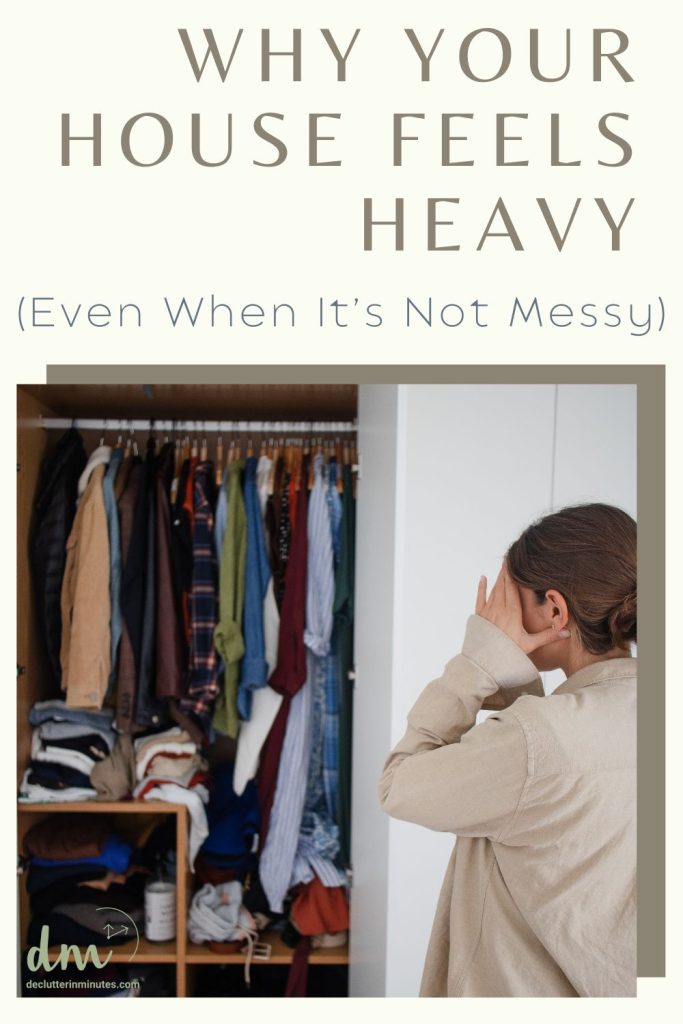
Recently, I realized I was holding on to things that belonged to a version of me that didn’t exist anymore. Most of them were tucked away in the attic, but a few sat right out in the open, quietly taking up space.
The best example? A turkey baster I’d kept for decades. I hadn’t used it in years, but for some reason, I just couldn’t let it go. So there it sat, taking up space in my drawer, moving around every time I needed something else.
One evening, as I pushed that turkey baster out of the way for the thousandth time to find the spoon I actually needed, I finally saw it for what it was. Not a kitchen tool, a reminder of a life I wasn’t living anymore. So I took a deep breath, dropped it into the donation box, and felt something lift. It wasn’t just the drawer that felt lighter, it was me.
That one simple act changed everything. It sparked the approach I now use every day to create a lighter, calmer home, and it can do the same for you.
Why Your Home Still Feels Heavy (Even When It Looks Clean)
Have you ever walked into a room and felt that quiet weight sitting in your chest? The counters are clear, the bed is made, nothing looks out of place… and yet something still feels off.
That’s emotional clutter.
It’s the boxes in the closet you haven’t opened in years.
It’s the clothes you keep “just in case.”
It’s the craft supplies patiently waiting for a hobby you might pick back up someday.
These things may not lying out in piles, but they are absolutely taking up space, in your home and in your head.
Most of us were raised to hold on. Keep it all. Store everything because:
“Maybe I’ll need it.”
“Oh, but it was a gift.”
“I spent good money on that…”
Those little thoughts seem harmless, but over time they build into a constant hum of guilt and obligation buzzing under the surface. And that hum? That’s what makes a clean home feel heavy.
Here’s something to hear and remember: your home isn’t full of clutter, it’s full of stories.
Stories about who you used to be.
What you used to do.
What you hoped you’d do again some day.
But not every story needs to stay in your home to stay in your heart. One of my favorite ways to let go is by keeping just a little piece of what matters most. If you haven’t tried it yet, check out Sample Memories: Keep What Matters, Let the Rest Go, it might be the missing step that finally makes releasing things feel easier.
But here’s the beautiful part: once you see the weight those stories are carrying… you can finally start letting go of the ones that don’t fit your life anymore.
What Emotional Clutter Really Is
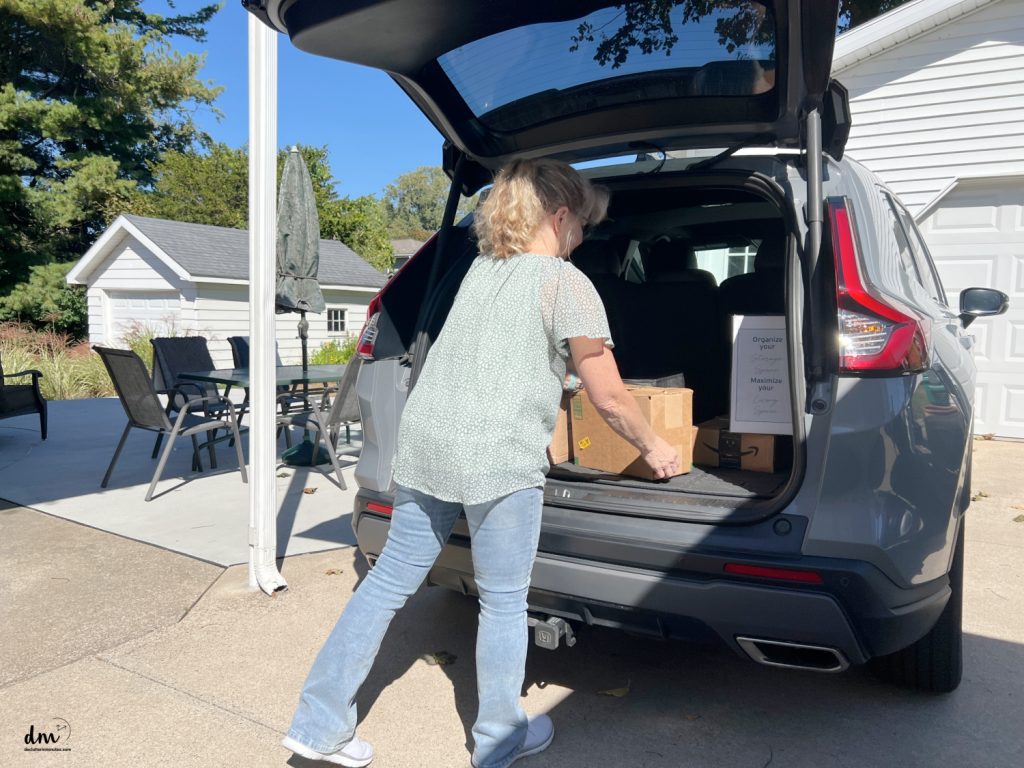
Emotional clutter isn’t about piles of things on your counters or a messy junk drawer, it’s about the quiet weight behind what you own. It’s the items you’ve kept because they remind you of a season that’s already passed, a role you’ve outgrown, or a version of yourself you’re not sure how to let go of.
Think of it like this: every item in your home carries a tiny emotional tag. Some say love this, some say need this, and some whisper you should keep this, just in case.
Over time, those little whispers become noise.
We were raised in a world that taught us to collect. To keep the extra just in case. To hold on to what was once expensive, gifted to us, or sentimental. We learned that letting go meant waste or regret, but no one ever showed us how much it can mean freedom.
That’s why emotional clutter doesn’t always look like clutter at all. Your home might appear perfectly neat and put away, but hidden inside drawers, boxes, and bins are pieces of your old life still asking for your attention.
When you start to see emotional clutter for what it really is, stories and memories trying to live in the present, you can finally start deciding what belongs in this chapter of your life, and what doesn’t.
Why Emotional Clutter Feels So Heavy
The tricky thing about emotional clutter is that it doesn’t just take up space in your home, it takes up space in your mind. Every drawer you can’t close, every box you haven’t opened, every shelf filled with things you no longer use sends a quiet message: deal with me, remember me, fix me.
Those messages might be soft, but they pile up until your home starts to feel loud. That’s why you can spend all day cleaning and still not feel done.
You’re not just tidying, you’re managing years of unmade decisions, postponed memories, and unfinished stories.
When you hold on to things from your past, even for good reasons, you’re also holding on to tiny bits of who you used to be. And that can make it hard to see the person you are today.
It’s like trying to move forward while carrying a suitcase full of old clothes that don’t fit anymore, heavy, familiar, and unnecessary.

But here’s the hopeful part: that heaviness isn’t a sign that something’s wrong with you. It’s simply your home’s way of reminding you that it’s time for a new chapter. Once you start letting go of what no longer fits your life, both your house and your heart begin to feel lighter.
If you are struggling to declutter after a loss, this post: Downsizing After a Major Life Change can help.
How to Start Seeing Your Home Differently
Once you recognize emotional clutter for what it is, it’s easy to feel overwhelmed and want to fix it all at once. But this part isn’t about doing, it’s about noticing.
Noticing what feels heavy. What feels out of place. What quietly tugs at your attention every time you walk by.
You don’t need to pull everything out or start a massive decluttering project. In fact, I’d rather you didn’t. Real change starts with small awareness, the kind that helps you see your home with new eyes.
Try this: tomorrow morning, walk into a room you use every day and simply look around. Notice what feels off. Maybe it’s a shelf full of books you haven’t opened in years. Maybe it’s a drawer that never seems to close quite right.
Just pay attention.
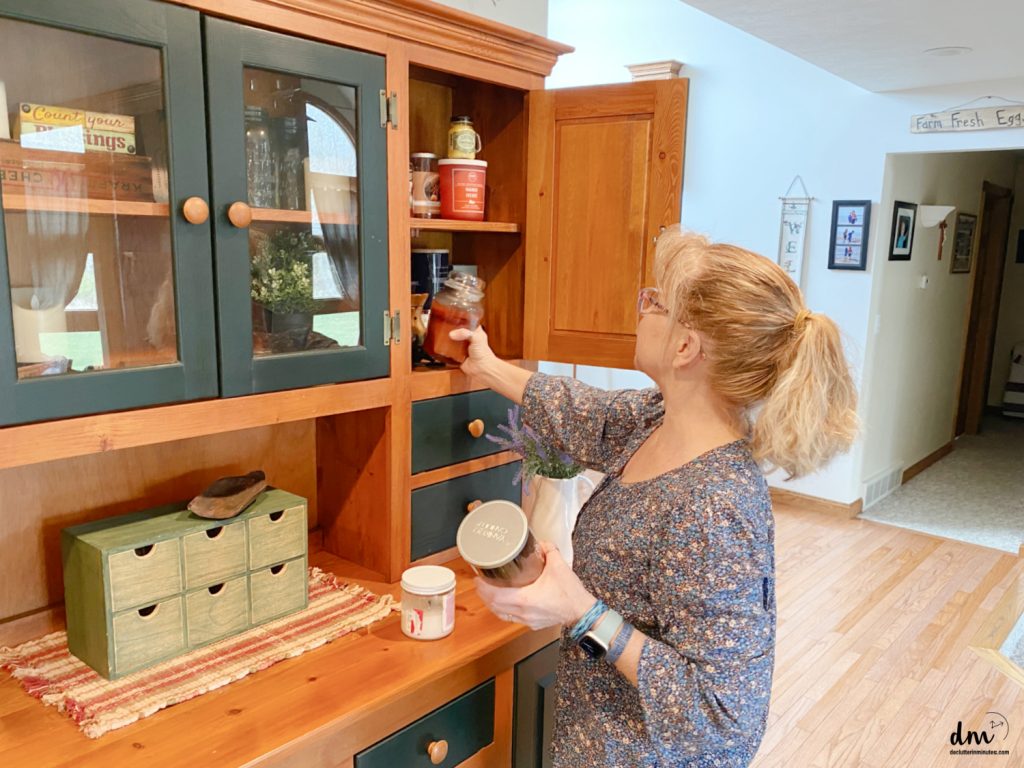
That gentle noticing is where freedom begins. Because once you see it, you can’t unsee it, and from there, small, meaningful shifts will follow.
This week, give yourself permission to do just one thing: choose one item, one shelf, or one drawer that no longer fits your life today. Let it go, and take a breath. Feel how even a little space brings peace.
Remember, it’s not about perfection. It’s about progress, one simple release at a time.
A Few Tools to Help You Get Started
When you’re ready to take those first small steps, having the right tools can make it a little easier (and even fun!). These are a few of my favorite finds that help simplify the process of letting go and keeping what you love:
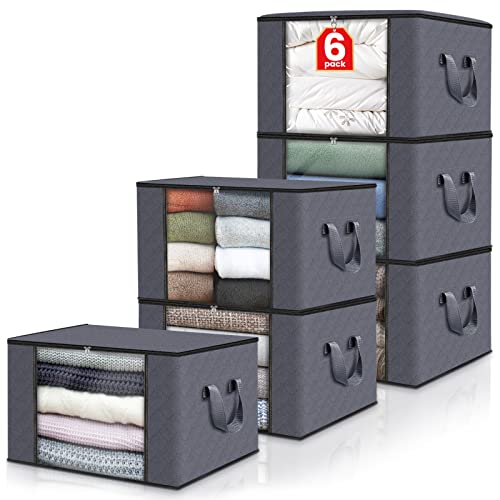
HuggieGems Metal 4 Pack Magnetic Spice Storage Rack Organizer for Refrigerator and Oven, Black Fridge Organizers and Storage SNSLXH 5 Pack Stackable Closet Storage Basket, Multifunctional & Foldable Closet Organizer for Bathroom Kitchen Laundry Room Wardrobe Storage, Space-Saving Clothes Storage Drawer Organizer, WhiteBudding Joy 90L Under Bed Storage Containers, Closet Organizers and Storage Bins, Foldable Underbed Storage Bags for Blanket, Clothing, Comforter, Sweaters, Pillows, Linen Sheets, Wrapping Paper, GreyCTIME 3-Tier Medicine Organizer – Portable Medicine Cabinet with Leather Handle, Empty First Aid Kit for HomeFab totes Storage Bags,Clothes Blanket Storage Bins Foldable Closet Organizers with Reinforced Handle for Home Dorm Storage and Organization,Fabric Bags for Organizing Bed Sheets,Clothing,ComfortersSpaceAid Spice Drawer Organizer with 28 Spice Jars, 386 Spice Labels, 4 Tier Seasoning Rack Tray Insert for Kitchen Drawers, 13



You Don’t Have to Do It All at Once
Once you start seeing the emotional clutter hiding in plain sight, it’s easy to want to fix everything at once, but please don’t. This isn’t about rushing or overhauling your whole house. It’s about creating space for you again.
Take a breath.
You don’t need color-coded bins or a weekend marathon to make progress. What you need is a little awareness, a little patience, and a whole lot of grace.
Every small choice you make, every drawer you open with intention, every item you finally let go of, is a quiet act of freedom. Those little shifts are what add up to real, lasting change.

And remember, this isn’t about decluttering your past. It’s about designing your future, one calm, clear corner at a time.
You deserve a home that feels like a deep breath, one that supports who you are today.
If you’re preparing to downsize and finding that letting go feels harder than you expected, you might be dealing with more than just clutter, you’re facing the emotions behind it.
In The Emotional Side of Downsizing, I share my own story of moving from a large family home to a smaller one, and what I learned about the memories, guilt, and identity tied up in our stuff. It’s a comforting read if you’re ready to understand why letting go can feel so hard, and how to move through it with grace.
FAQ: Letting Go of Emotional Clutter
That’s such a common worry, and it’s okay to feel that way. The truth is, most of the time, we won’t need it, but we do need the peace that comes from having space. Try letting go of one small thing first, and see how it feels.
Keeping something out of guilt doesn’t honor the person who gave it to you. The love behind the gift isn’t in the object, it’s in the connection. Letting go of the item doesn’t mean letting go of the memory.
If your home feels heavy, that’s your sign. You don’t have to be ready for everything, just ready for one small shift. Start where it feels easiest, and momentum will follow.
Pause. Breathe. Step away. Emotional clutter can stir up feelings, and that’s normal. You can always come back when you’re ready, there’s no deadline for creating peace.