Why We React to Clutter and How to Finally Fix What Isn’t Working
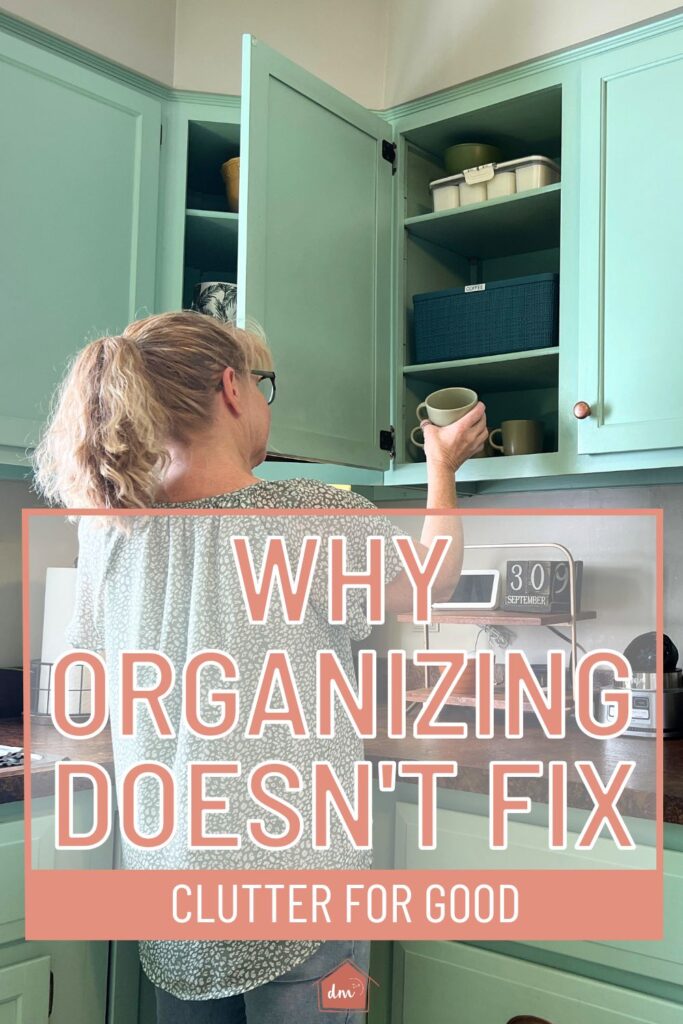
If you’ve ever wondered why organizing doesn’t fix clutter for good, you’re not imagining things.
Most of us react to clutter the moment we see it. We straighten, rearrange, grab a basket, or toss a few things out just to make the space feel better so we can move on. And for a moment, that reaction works.
But then the clutter comes back.
In this post, we’re going to look at why reacting to clutter has become such a strong habit, why those old decluttering instincts keep us stuck, and how learning to pause before fixing a space can finally create lasting change. This shift is a core part of the downsizing approach I teach inside Downsizing 101.
The Way I Used to “Fix” My House
Back when my kids were younger and life was busy, and I mean busy busy, this is how I handled my home.
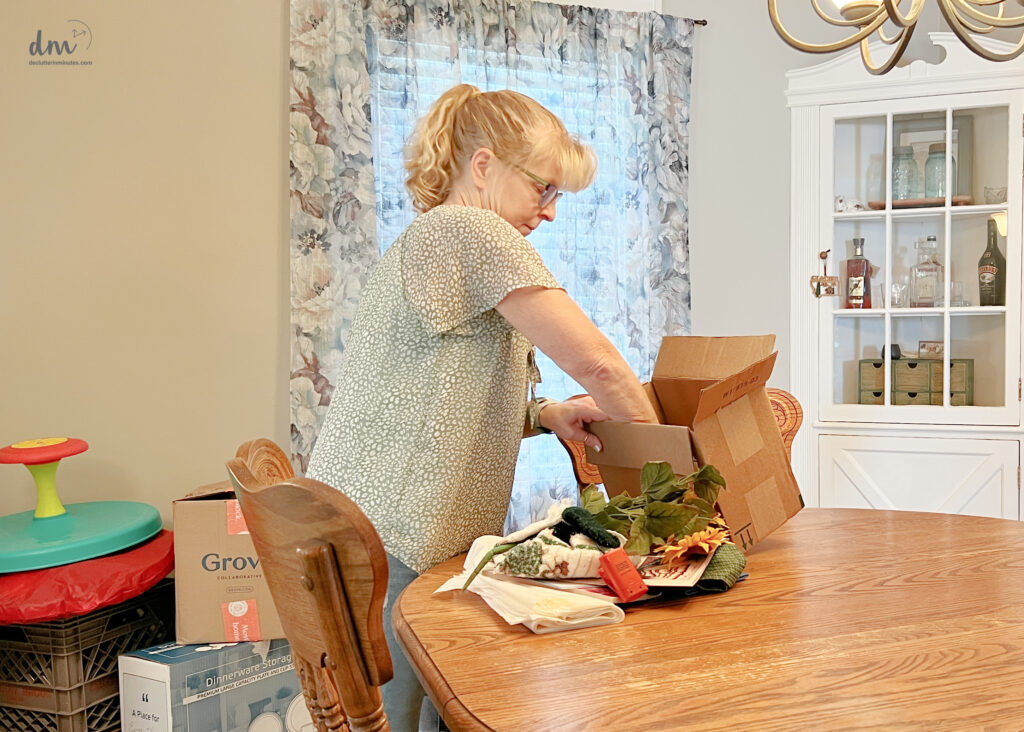
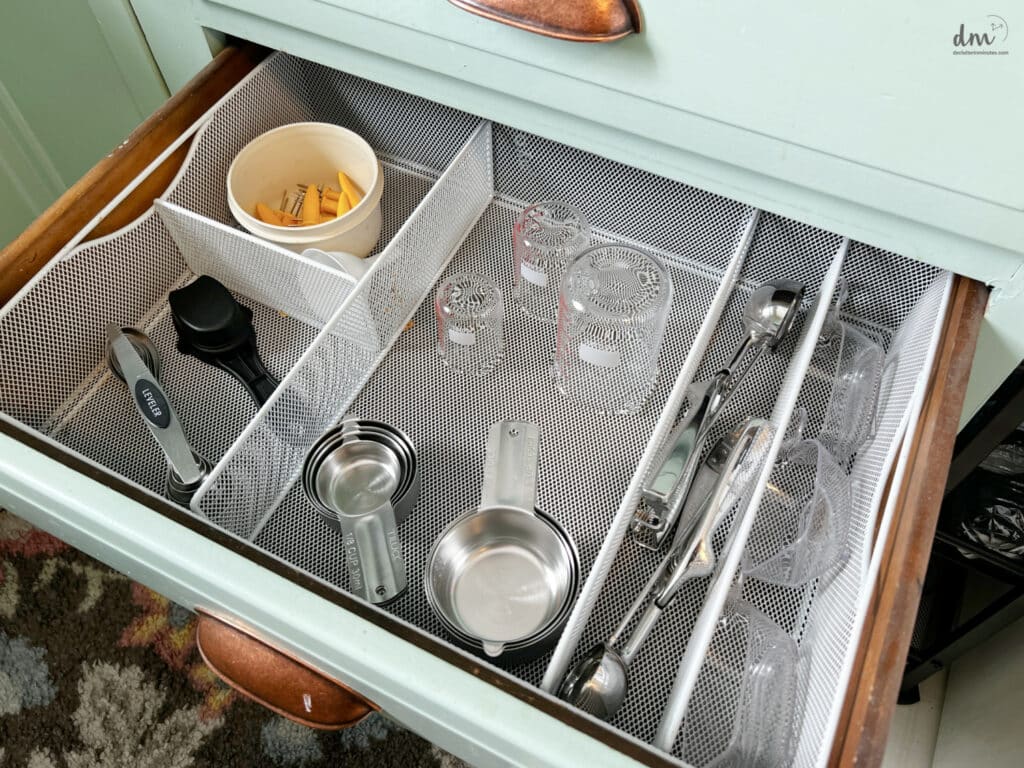
Every weekend, I’d find a space that felt messy or chaotic. A drawer. A shelf. A corner that had quietly gotten out of control. I’d grab a couple containers, spread everything out, and get to work.
I’d toss a few things. Set aside a small donation pile. Rearrange what was left until it looked good enough. And once it did, I moved on with my day feeling pretty accomplished.
And for a long time, that system felt like it worked.
Find a mess.
Bring in a container.
Make it fit.
Get back to life.
I repeated that pattern for years without ever questioning it. It was just how I handled my stuff.
But here’s what I’ve learned now that my life looks different.
Reacting to clutter isn’t a long-term solution.
And those decluttering habits I built when my house was full and my days were packed? They don’t work anymore.
Not because I’m doing something wrong but because my life has changed, and my habits never caught up.
Why Habits Matter More Than Motivation
Most people think clutter problems come down to motivation.
They don’t.
What actually runs the show in our homes are habits, the ones we built years ago without even realizing it.
A habit is simply something your brain has put on autopilot. At some point, you chose it and you practiced it. And now your brain runs it automatically because it feels familiar.
That’s why you can open a messy drawer, feel irritated, and immediately start rearranging without stopping to think about why it’s messy in the first place.
Your brain isn’t trying to sabotage you. It’s trying to help.
For a long time, moving fast was the right response. When the house was full, schedules were packed, and life was loud, quick fixes kept things moving. You didn’t have time to stop and think, you needed relief and you needed it fast.
The problem is this: Habits don’t automatically update when life changes.
Habits don’t automatically update when life changes.
So even when your days slow down, even when your home no longer needs constant triage, your brain keeps running the same old program.
Fix it fast.
Make it look better.
Move on.
And that’s why so many spaces in our homes feel like they’re on a never-ending loop, looking okay for a while, then slipping right back into chaos mode.
Why Reacting to Clutter Feels Good (But Doesn’t Work)
Here’s the tricky part about clutter reactions, they feel productive.
When something in your home bugs you, your brain wants that irritation gone as quickly as possible. And it doesn’t have to be perfect, it just needs to be enough to feel better so you can get on with your day.
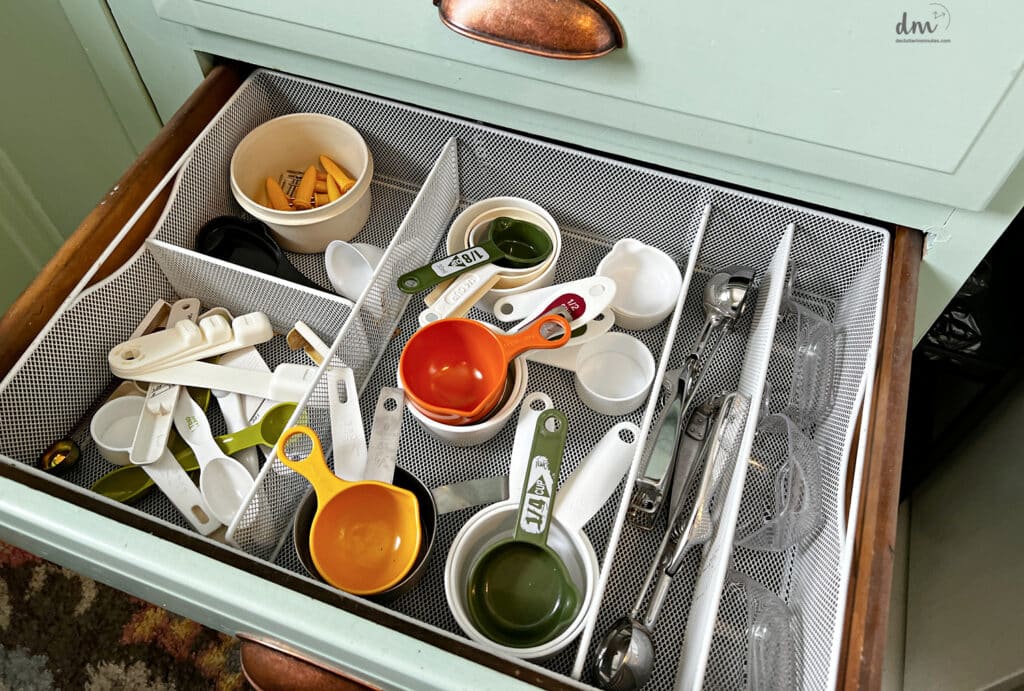
So you straighten the area and do a bit of rearranging. Then you grab a basket and move things around until the space looks better.
And when you’re done, you get that little hit of relief.
That relief is powerful. It tells your brain, Yes, this worked. Do this again next time.
But what’s actually happening is this: You’re smoothing over the surface without touching the reason the space isn’t working.
So the clutter doesn’t disappear, it just goes quiet for a while.
And then the next day, or the next week, you’re standing in the same spot thinking, Why am I dealing with this again?
Not because you failed, but because reacting makes things feel better, not work better.
The Pause That Changed Everything
What finally changed things for me wasn’t doing more or buying new organizers that promised to fix everything.
It was realizing that I didn’t need to react every time something felt off.
Instead of fixing things on the spot, I started pausing, just for a moment. Long enough to notice what was actually bothering me, not just what looked messy.
And that tiny pause changed everything.
Because when I slowed down, even a little, I could finally see the real issue. And because of that pause, I was able to see what I wanted as the end result. A space that was functional, holding the right things and the right amount.
And for the first time, the changes I made actually lasted.
How This Looks in Real Life
Here’s where this all comes together.
The next time something in your home starts to bug you, before you reach for a bin or the trash can, stop and pause.
Notice what is bothering you most about the space.
Is it the stuff you have in there?
The amount of things?
The location or the setup you are using?
At this point, you are just looking, not fixing. That is the habit change.
Instead of jumping straight into action, give yourself a moment to think about the end result you actually want for that space.
Do you want it easier to use?
Less crowded?
More functional for how you live now?
Gone altogether?
That pause gives you time to make a plan. And having a plan is what helps you make a change that actually sticks.
Because instead of reacting to the clutter, you are responding to the purpose of the space.
You are no longer asking, how do I make this look better right now?
You are asking, what belongs here and how much of it makes sense?
From there, the next step usually becomes obvious.
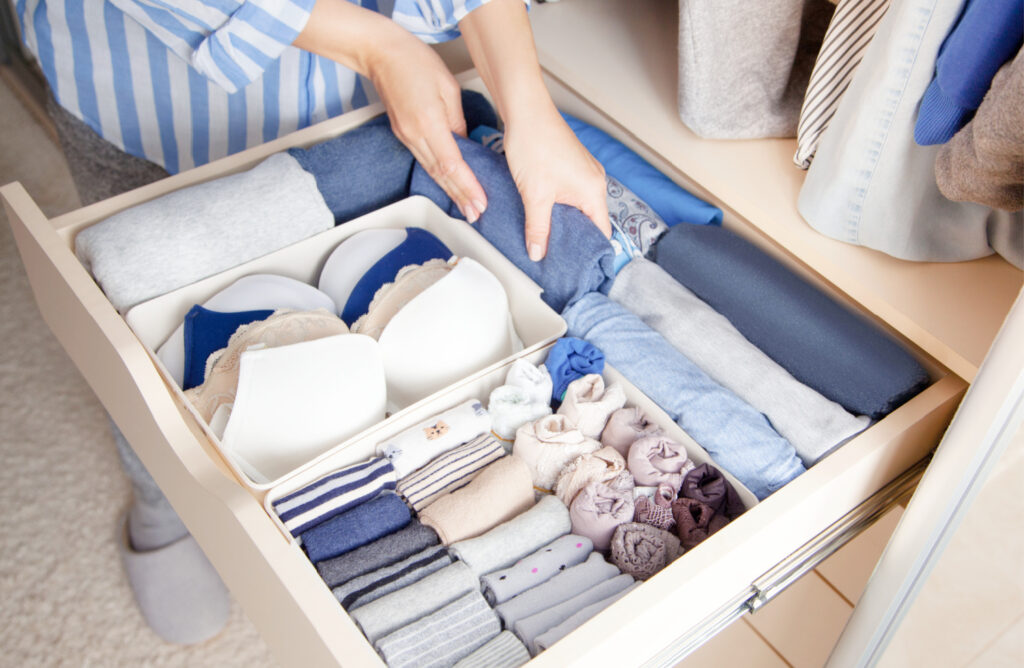
The things you no longer need start to stand out. The things you routinely use become clear. And now you can make decisions that fit the way you are living today.
When you repeat that process, pause, picture the end result, and make a plan, the change starts to stick for life.
A Different Way Forward
Remember, you don’t need to fix your whole house to make progress.
You don’t need more organizers, more time, or more motivation.
What actually changes things is learning to pause long enough to see what you want a space to be, instead of reacting to how it feels in the moment.
Budding Joy 90L Under Bed Storage Containers, Closet Organizers and Storage Bins, Foldable Underbed Storage Bags for Linen Sheets, Blanket, Clothing, Comforter, Sweaters, Pillows, Wrapping Paper, Grey Legging Organizer for Closet, Metal Yoga Pants Hangers 2 Pack w/10 Clips Holds 20 Leggings, Space Saving Hanging Closet Organizer w/Rubber Coated Closet Organizers and Storage, BlackBOOMIBOO Hanging Closet Organize and Shelves,5-Hanging Shelf with 2 Side Pockets,Storage Foldable (Grey)


That pause is small, but it’s powerful because it’s where clarity replaces frustration.
And the best part? This works better in small spaces rather than full rooms. Because each small space brings more clarity to what you want for your entire home.
That’s how real change happens. Quietly and gradually with habits that finally give you changes that last.
Frequently Asked Questions
Because organizing doesn’t change the habit that created the clutter in the first place.
When we react to clutter, we focus on making a space look better quickly so we can move on. That brings short-term relief, but it doesn’t address whether the space is holding the right things or the right amount. Without that pause to think about function and purpose, we end up repeating the same pattern again and again.
Lasting change happens when you stop reacting and start responding intentionally to how the space needs to work for your life now.
No. And that’s one of the biggest misconceptions.
This approach isn’t about getting rid of everything or making drastic decisions. It’s about noticing what doesn’t fit anymore and making small, intentional choices over time.
Sometimes the answer is letting something go. Other times it’s relocating it or changing how the space is set up. The goal isn’t less stuff just for the sake of less. The goal is a space that feels functional and supportive.
That’s actually where this approach works best.
You’re not being asked to tackle your whole house or commit to a big project. The pause doesn’t require energy, motivation, or extra time. It simply asks you to notice before you react.
Even one small moment of awareness can change how you respond the next time something bugs you. And over time, those small moments add up to real progress without burnout.