What to Put in a Closet vs a Dresser (Simple Bedroom Storage Guide)
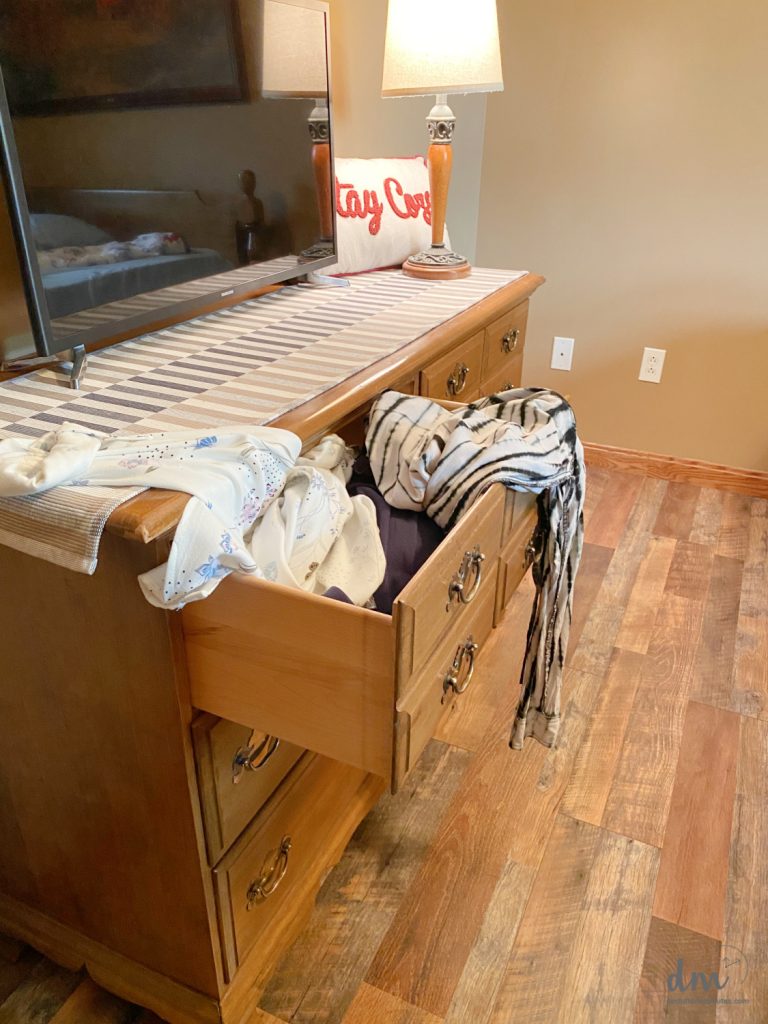
Trying to keep your bedroom neat can feel impossible when clothes, shoes, and random extras have no real home. If your dresser is stuffed, your closet is crowded, or both feel like a hot mess, the problem may be simple: the wrong items are living in the wrong place.
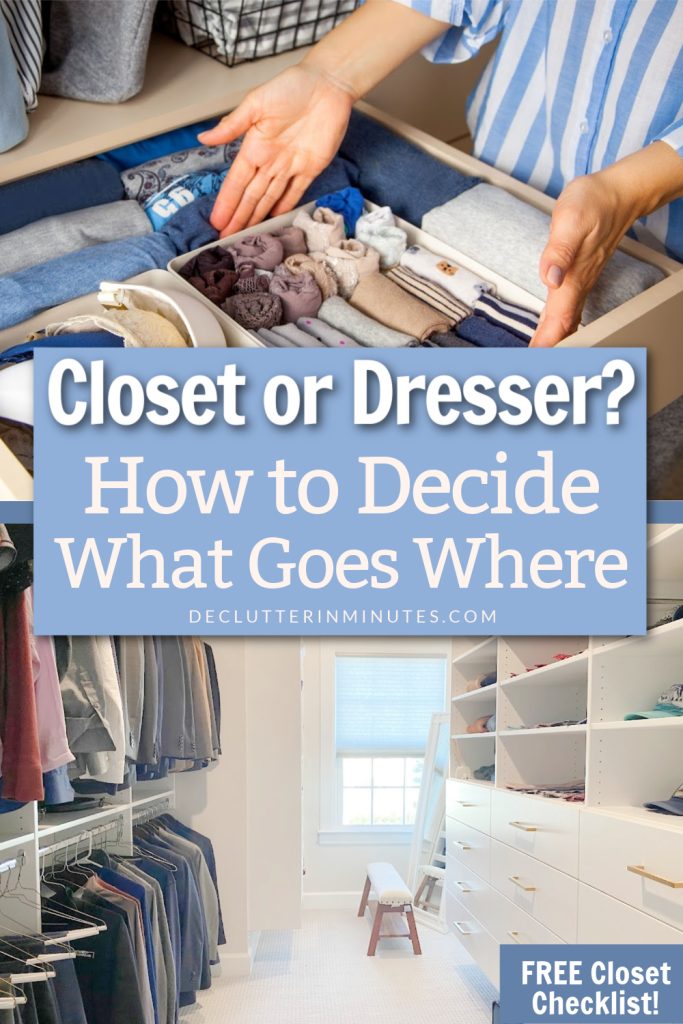
Knowing what to put in a closet vs a dresser can make getting dressed easier, cut down on clutter, and help your room stay tidy with less effort.
If you are feeling overwhelmed, this free guide on how to organize your home can help you get started with a simple plan.
The good news? There are no hard rules. The best setup is the one that works for your life today.
If your kids are grown, your routine has changed, or you no longer need clothes for an old season of life, your bedroom storage should change too.
Let’s break down what should be hung, what should be folded, and how to set up your bedroom so it is easier to maintain.
When I moved into my empty nester home, I went from a big walk-in closet to a much smaller space that barely held my everyday clothes.
Let’s just say my wardrobe and I had to have a heart-to-heart pretty quickly about who was getting prime closet space and who was moving to the dresser.
I stood there staring at that tiny closet wondering how on earth I was supposed to make this work. I kept waiting for some magical answer to appear and fix everything for me.
It did not.
So, I had to get creative fast.
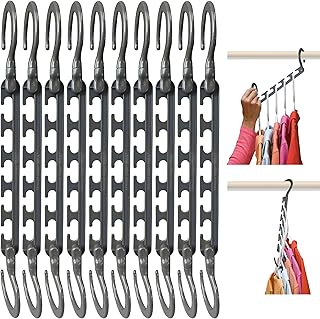
Editing became my superpower, along with a few helpful tools. I brought in better hangers, hooks, shelves, and every space-saving trick I could find. I tested things, moved things, changed things again, and muttered to myself more than once.
Amazon Basics Slim Velvet Non-Slip Space Saving Suit Clothes Hangers, Closet Organizer, Ivory/Beige, 30-Pack Wonder Hanger Max 10-Pack Space Saving Hangers, Reinforced Hooks Swivels 360°, Cascading Hanger, College Dorms & Storage Closet Organizer, Fully Assembled – GreyKalimdor Pants Hangers 2 Pack Space Saving Metal Closet Organizer,Clothes Pants Hangers,Anti-Slip Design,Closet Organizers and Storage for Pants Jeans Skirts Scarf Leggingotylzto 50PCS(or100) Hanger Hooks for Plastic Clips Clothes Space Saving Hangers for Clothes Closet Hangers Space SaverSortNStore Shelf Dividers Purse Organizer for Closet: 8-Pack Acrylic Bag Storage Organizer for Handbags, Clutches, Clothes, Sweater, Towel on Wood ShelvesLarge-Sized Hanging Shoe Organizer 10-Shelf, Sturdy Hanging Closet Organizer with 8 Side Pockets, Wider Hanging Shelves for Storage Shoes Clothes Jeans Shirts Toys, Grey



But once I stopped trying to force everything into one small closet, things finally started to work.
For years, I thought my closet was supposed to hold all of my clothes. In this home, I realized my dresser was about to become a starting player.
That experience taught me something important:
It is not always about needing more storage. Many times, it is about knowing what belongs where and only keeping what truly fits your life today.
And if your dresser is stuffed, your closet is crowded, or both feel like a hot mess, you may be dealing with the very same issue.
Knowing what to put in a closet vs a dresser can make getting dressed easier, help your room stay tidier, and save you time every single day.
The good news? There are no hard rules. The best setup is the one that works for your life today.
If your kids are grown, your routine has changed, or you no longer need clothes for an old season of life, your bedroom storage should change too.
Let’s break it all down so your room is easier to maintain and much less stressful.
Quick Answer: Closet vs Dresser
Use your closet for:
- Clothes that wrinkle easily
- Jackets and coats
- Dresses
- Blouses
- Dress pants
- Shoes
- Handbags
- Belts, scarves, and accessories
- Seasonal overflow
Use your dresser for:
- T-shirts
- Pajamas
- Leggings
- Jeans
- Sweatshirts
- Workout clothes
- Socks
- Underwear
- Folded casual wear
If you wear something often, keep it where it is easiest to reach.
Use Your Closet for These Items
Your closet works best for clothing and accessories that need visibility, wrinkle easily, or are easier to grab when hanging. If items disappear in drawers and never get worn, the closet may be the better home.
Use closet organizers such as slim hangers, shelf dividers, bins, and shoe racks to make every inch of space work harder for you.
1. Everyday Clothes
Your closet is the best place for everyday clothes that wrinkle easily or look better hanging up. Items such as blouses, button-up shirts, dress pants, skirts, cardigans, and lightweight jackets are easier to see and easier to keep neat when stored on hangers.
Hanging these clothes can also make getting dressed faster since you can quickly scan your options instead of digging through drawers.
Tip: Keep the pieces you wear most often at eye level and move special occasion items higher up or farther to the side.
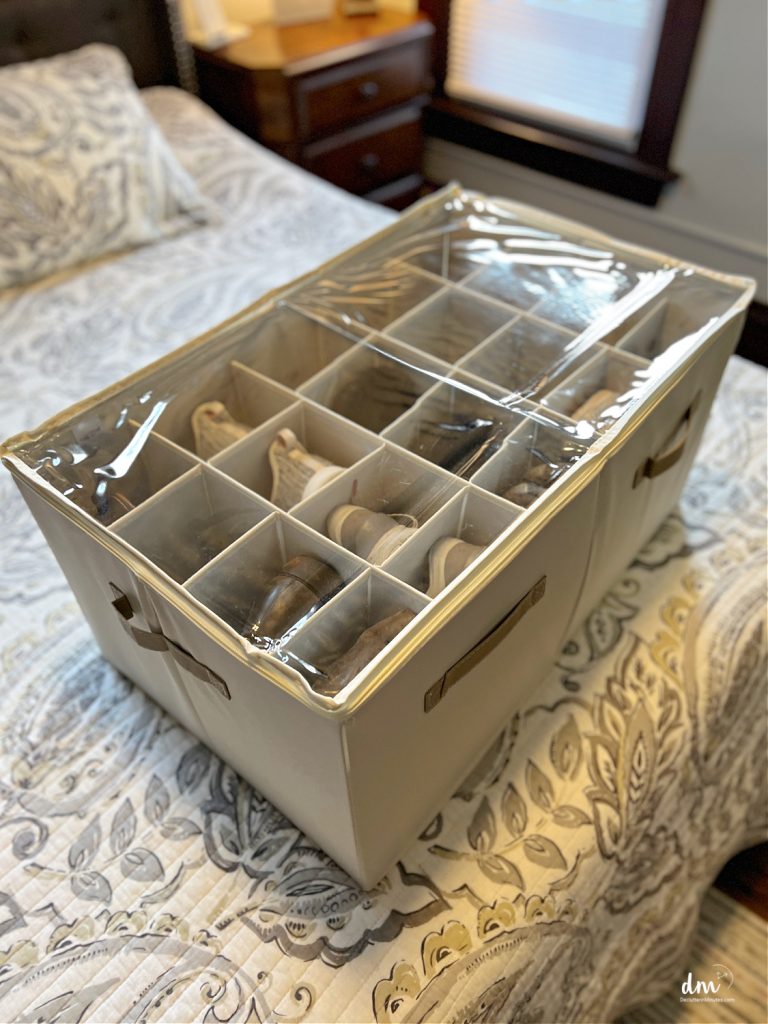
2. Shoes You Wear Regularly
Closets are a great place for shoes you wear often, especially if they match the season you are currently in. Keeping everyday shoes in one easy-to-reach spot can save time and keep pairs from ending up scattered around the house.
Use a shoe rack, shelf organizer, or clear bins to keep shoes visible and paired together.
Tip: Store only current-season shoes in your main closet and move the rest to a higher shelf or another storage area.
3. Handbags and Accessories
Handbags, scarves, belts, and hats are easier to manage when they have a dedicated spot in your closet. Hooks, baskets, hanging organizers, or shelf bins can keep these smaller items neat and easy to find.
When accessories are contained, they are much more likely to be used instead of forgotten.
Tip: Keep your favorite everyday accessories within reach and store special occasion pieces higher up.
4. Folded Overflow Items
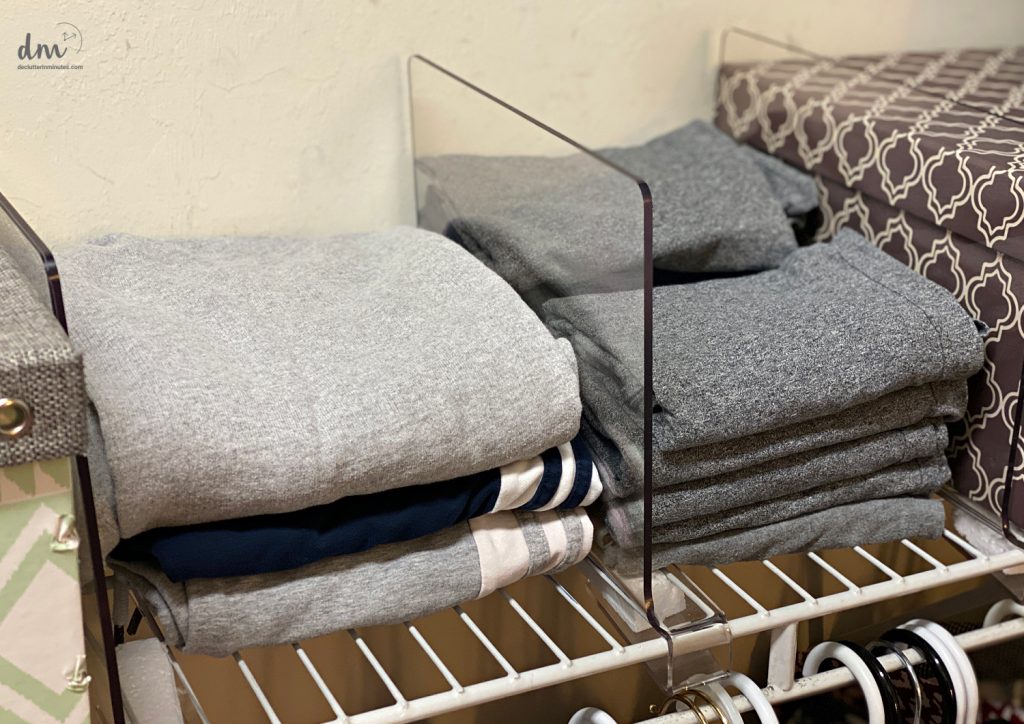
If your closet has shelves, use them for folded items such as sweaters, jeans, handbags, workout wear, or seasonal clothing. Shelves are a great way to use vertical space and free up room in your dresser.
Bins or shelf dividers can help stacks stay neat and prevent piles from toppling over.
Tip: Use baskets or bins to group like items together so shelves stay easier to maintain.
Use Your Dresser for These Items
Dressers work best for folded items, basics, and clothing you use regularly.
1. T-Shirts and Casual Tops
T-shirts, tank tops, and casual tops usually do best folded in a dresser. These everyday basics do not need hanging space, and storing them in drawers can free up valuable room in your closet for items that wrinkle more easily.
Keeping similar tops together also makes getting dressed faster each morning.
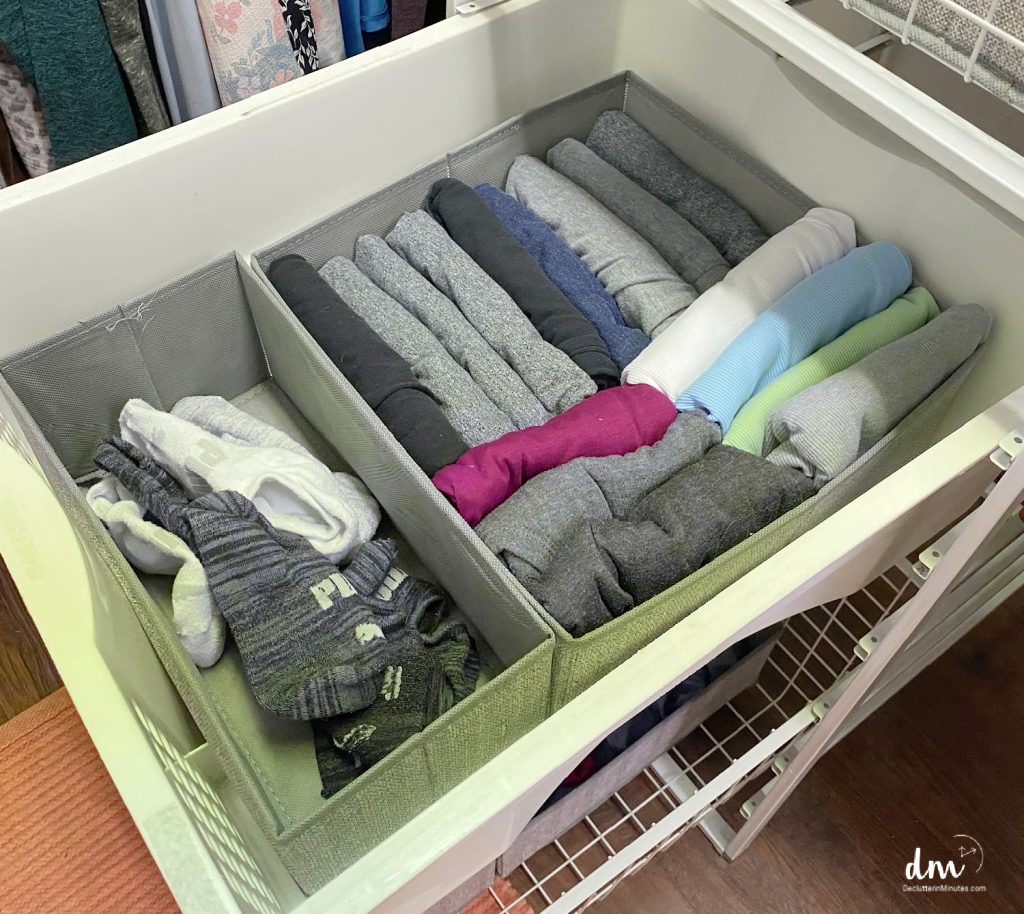
Tip: Fold shirts upright or file-style so you can see every option at a glance.
2. Pajamas and Lounge Clothes
Pajamas, sleepwear, and lounge clothes are perfect for dresser drawers because they are soft, easy to fold, and used often. Keeping them together in one drawer makes bedtime and morning routines simpler.
If possible, store these in an upper drawer for quick access.
Tip: Keep matching pajama sets folded together so you can grab what you need without searching.
3. Jeans, Leggings, and Casual Bottoms
Jeans, leggings, shorts, and casual pants are great candidates for dresser storage. These items usually fold well and do not need to take up closet rod space.
Keeping bottoms together in one drawer can make outfit planning much easier.
Tip: Sort by type or color so you can quickly find the pair you want.
4. Socks, Underwear, and Small Basics
Small clothing items can create drawer chaos quickly if they are not contained. Socks, underwear, bras, slips, and tights are easiest to manage when each category has its own space.
Drawer dividers or small bins can make a huge difference here.
Tip: Use simple dresser organizers to separate categories so drawers stay neat longer.
5. Workout Clothes
If you exercise regularly, keep activewear together in one drawer so it is ready when you are. Leggings, tops, sports bras, and athletic socks are easier to grab when stored in one dedicated area.
This can make healthy routines feel much easier to maintain.
Tip: Keep your most-used workout pieces at the front of the drawer for grab-and-go mornings.
How to Decide What Goes Where
If you are still standing there holding a sweater and wondering, closet or dresser remember…don’t overthink it.
The goal is simply to keep the items you use most often easy to reach and store everything else in the spot where it fits best.
Put It in the Closet If It:
- wrinkles easily
- looks better hanging
- is hard to fold
- needs visibility
- is worn occasionally
Put It in the Dresser If It:
- folds easily
- is casual
- gets worn often
- is small or soft
- does not wrinkle much
If you are stuck between the two, ask yourself one question:
Where would I naturally look for this first?
That answer is usually the right home.
Set Up Your Bedroom for Your Life Today
If your closet is packed, your dresser is overflowing, and putting laundry away feels like a full-body workout… the problem may not be where things go.
It may be that you simply have too much to manage.
Many bedrooms are holding clothes for every season of life:
- workwear from years ago
- old sizes waiting for a comeback tour
- special occasion outfits that never get invited anywhere
- duplicate basics
- drawers full of “I might need this someday”
No closet system works well when it is trying to hold everything you have ever owned.
Before buying organizers or rearranging drawers, take time to sort through what you actually wear now.
Keep what fits your life today. Release what no longer serves you.
When you own less, your closet works better, your dresser closes easier, and your bedroom feels calmer without nearly as much effort.
Downsizing Tips for a Manageable Bedroom
Be Honest About What You Wear
If you have not worn something in the last year, ask yourself why. If the answer is guilt, fantasy, or “maybe someday,” it may be time to let it go and free up space for what you actually wear.
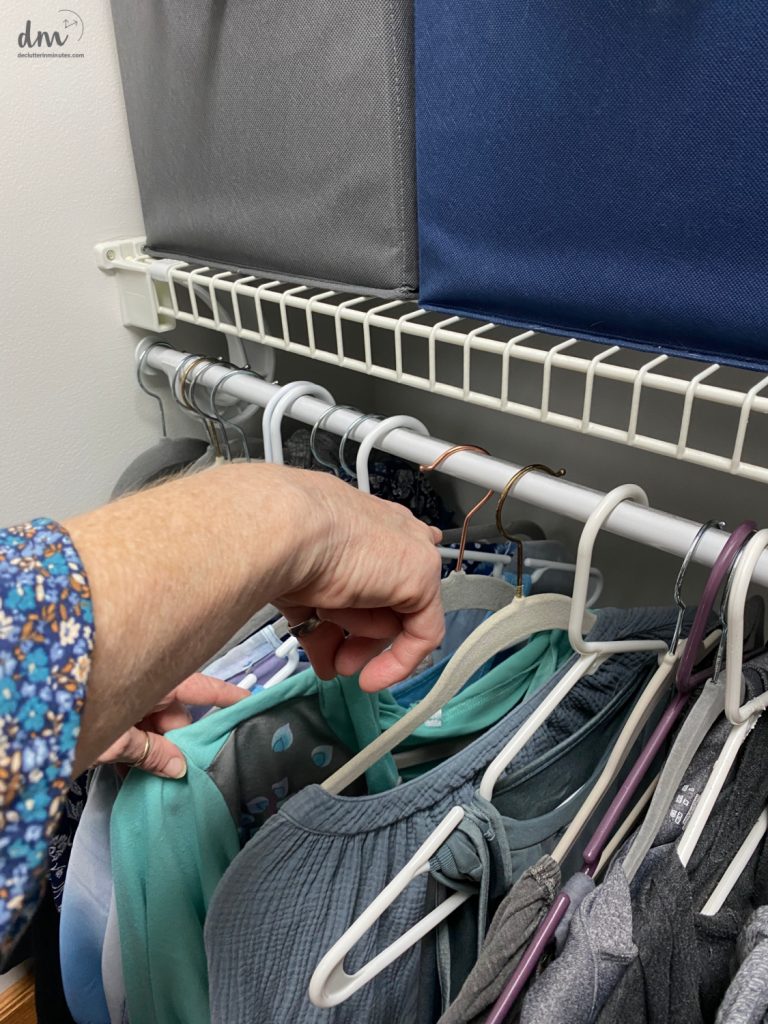
Try the Hanger Trick: Turn all of your hangers backward. After you wear something, return the hanger facing the right way. In a few months, it becomes very clear which clothes you actually wear and which ones are just enjoying free rent.
Use the One-In, One-Out Rule
When something new comes in, choose one item to leave. This keeps drawers and closets from quietly filling back up again.
Store Favorites Front and Center
Your most-worn clothing should be easiest to reach. Make mornings easier by keeping go-to pieces in prime space.
Reset for 5 Minutes Each Night
Spend a few minutes hanging clothes, closing drawers, and putting stray items away. Small resets prevent weekend disasters.
Frequently Asked Questions
Most sweaters do best folded in a dresser or on a shelf, since hanging can stretch them out over time.
Use drawers for basics and reserve closet space for clothing that truly needs hanging, such as blouses or jackets.
That usually means the issue is volume, not storage. Start by sorting what you actually wear now and let the rest go.
If both your closet and dresser are overflowing, the problem may not be storage.
It may be volume.
No organizer can comfortably hold more than your space allows.
Sometimes the best solution is to right-size what you own first.
Knowing what to put in a closet vs a dresser may seem like a small thing, but it can make a huge difference in how your bedroom feels and functions each day.
When clothes, shoes, and accessories have a clear home, getting dressed becomes easier, laundry is simpler to put away, and your room feels calmer the moment you walk in.
Remember, the goal is not to organize your bedroom for some picture-perfect version of life. The goal is to set it up for the life you are living right now.
That means keeping your favorite everyday items easy to reach, letting go of pieces you no longer wear, and using your closet and dresser in a way that supports your routine.
You do not need a bigger closet or a brand-new dresser to feel organized. Many times, you just need a better plan for what belongs where.
Start small. Choose one drawer or one section of your closet and reset it today. A few simple changes can make your whole bedroom feel lighter, calmer, and much easier to maintain.